

 Local Tips
 Kaş district runs from the sea up to two thousand metres, and it holds 55 villages across that range. The plants change as you climb: carob and olive on the coast, sage and oregano through the maquis, cedar in the highlands. Most of what grows here you can smell before you see it, particularly in May.
One of these plants exists nowhere else on earth, and there are 237 of it left. That seems the right place to start.
The Lycian Orchid
Ophrys lycia, the Lycian or Kaş orchid, grows within the boundaries of Kaş district and nowhere else in the world. Field surveys for the conservation project counted 237 individual plants. Not 237 populations or 237 hectares: 237 plants.
It is a bee orchid, one of the genus that mimics a female insect closely enough to persuade the male to attempt to mate with it and carry off the pollen in the process. Turkey has around 170 orchid species and this is among the rarest of them.
Two things nearly finished it. Grazing, because it grows in open ground that animals cross, and collection, because orchid tubers are the raw material for salep, the thick winter drink. Digging up a wild orchid for a hot drink is a poor trade at the best of times; with a species down to a few hundred individuals it is terminal. That the plant was found only here, and was disappearing, was understood late.
It is now protected. A fenced special protection area of about ten dönüm between the villages of Ağullu and Çukurbağ keeps the livestock and the collectors out, under a project led by Akdeniz University with the local forestry and education directorates. Seed is banked at Türkiye’s national seed gene bank. The plant is slow even by orchid standards: it puts out its first leaf after about five years and takes roughly ten to reach maturity, and it only grows below 500 metres.
We have not illustrated it here, and that is deliberate. There is no freely licensed photograph of Ophrys lycia in circulation, which tells you something about a plant that exists as 237 individuals behind a fence. If you want to see one, go in spring and look, carefully, from outside the wire.
Carob
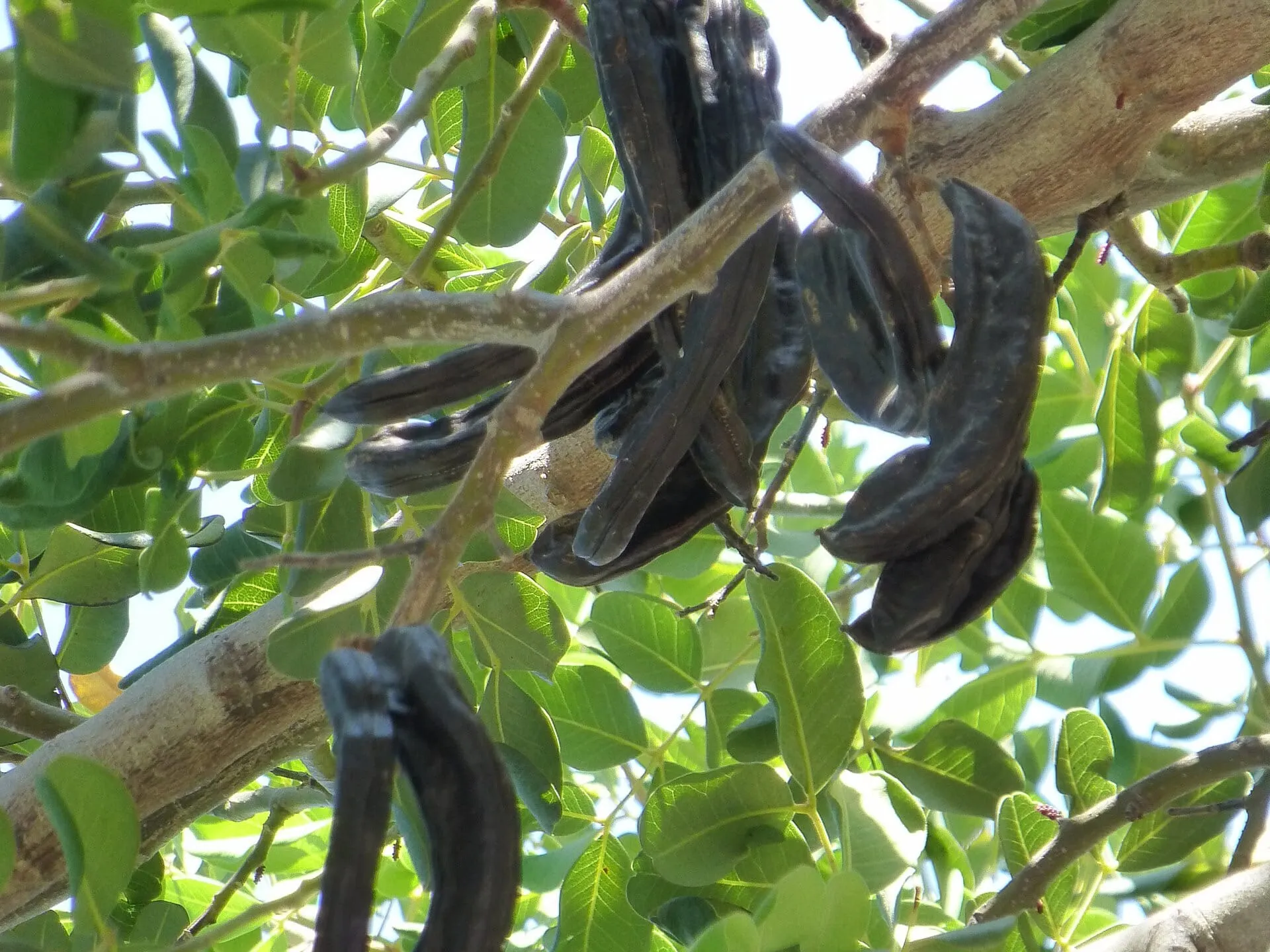
Known here as keçiboynuzu, goat’s horn, and also as harnup. It grows from the town out to the furthest villages and needs nothing from anybody: the pods dry on the branch, so there is no processing to speak of. Pick them dry and they keep for months, provided you store them somewhere airy. Sealed in a bag they take up damp and spoil.
You will meet it as pekmez, a dark molasses sold in every market, and as a flour used in cakes. The pods themselves are chewed straight, which is an acquired pleasure and worth acquiring. Carob seeds are also the original carat: they were once used as a jeweller’s counterweight because their mass is unusually consistent.
Sage
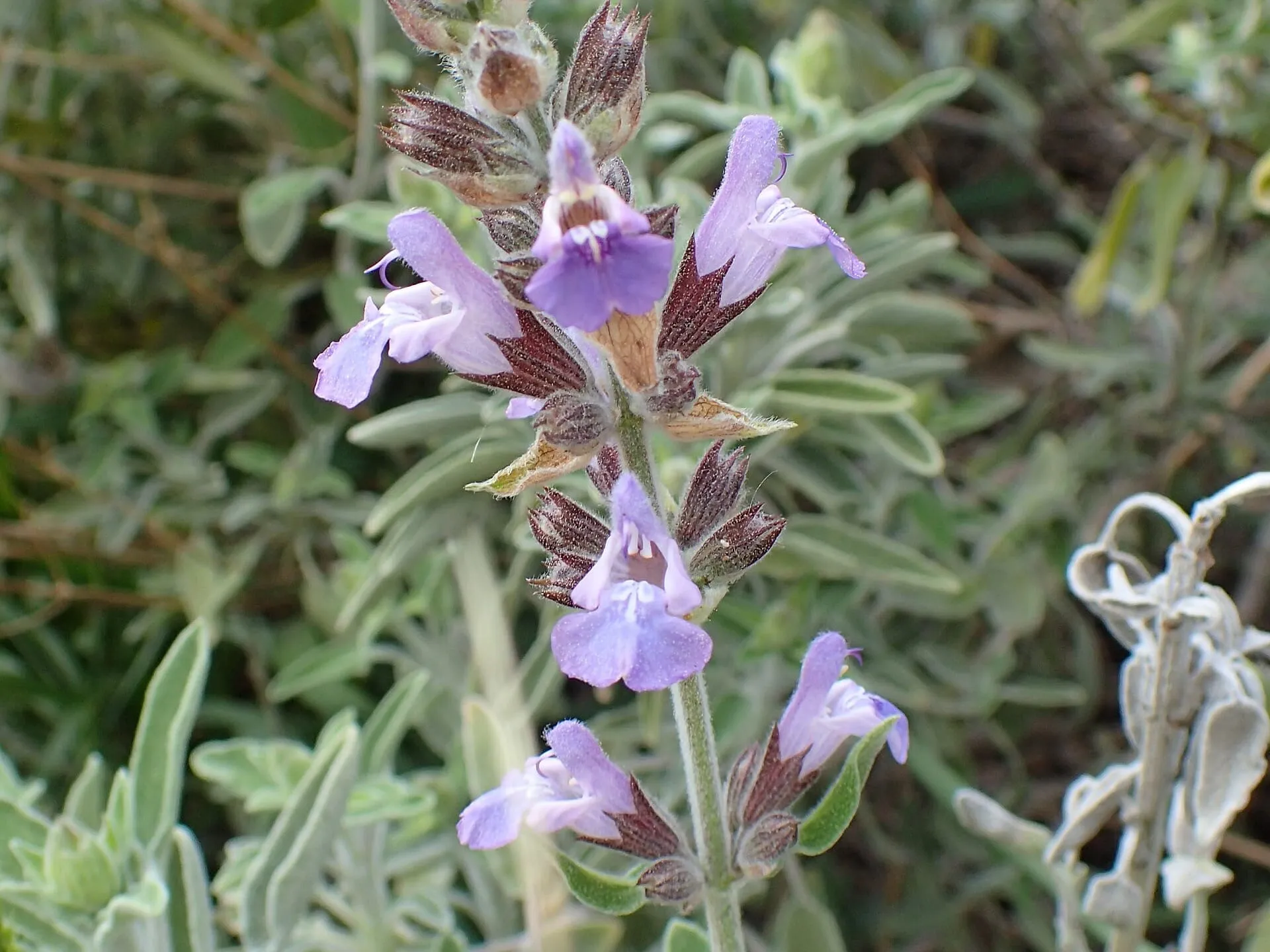
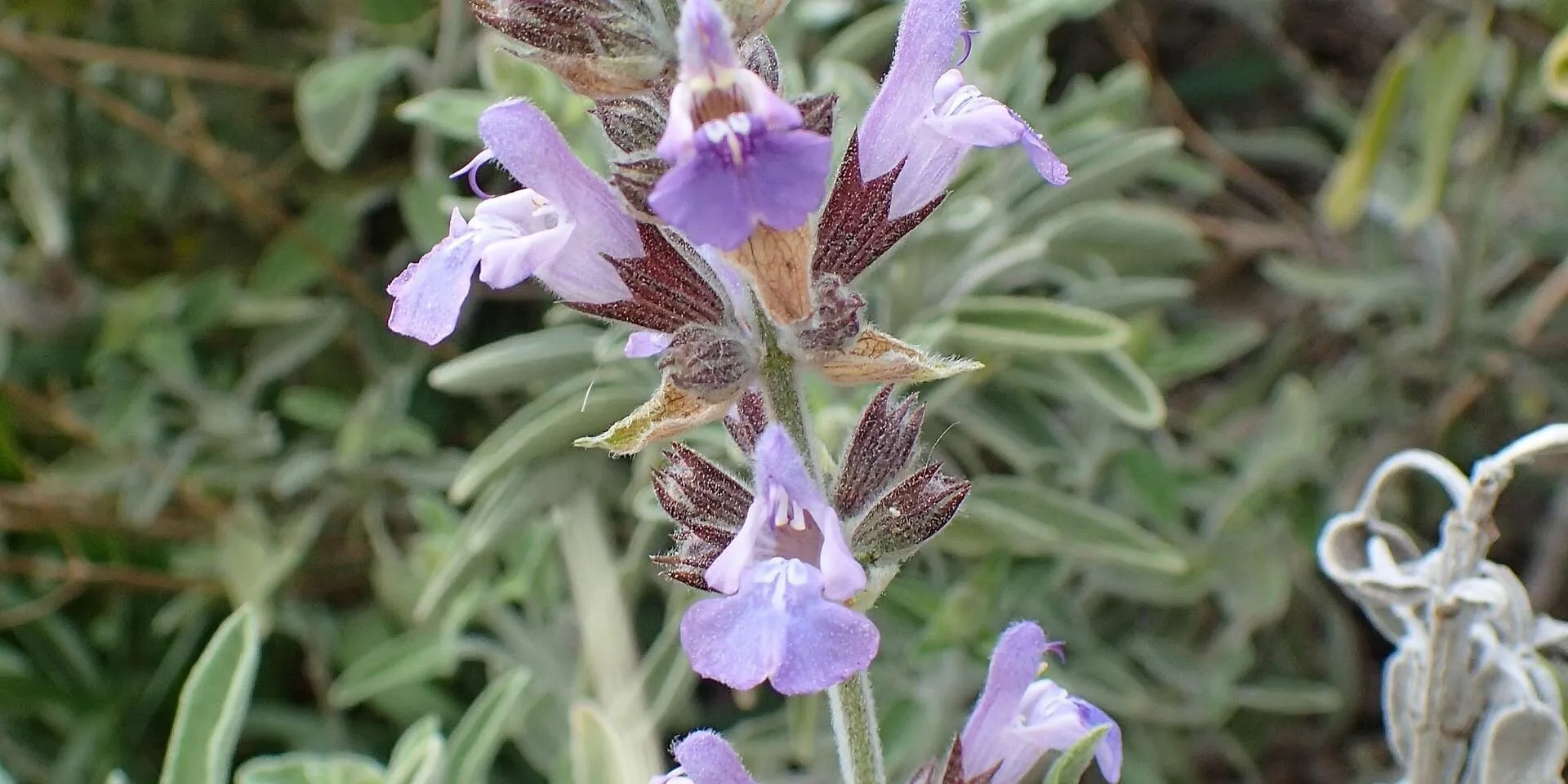
Adaçayı, literally island tea. The Mediterranean species is Salvia fruticosa, a grey-green shrub with soft furred leaves and pale violet flowers in spring. It grows all through the maquis behind Kaş and you will smell it on a warm afternoon before you spot it.
Dried and steeped, it makes the herbal tea you will be offered in half the shops in town, usually with honey and sometimes with lemon. Buying a bag from the Friday market is the easiest souvenir on this coast: it weighs nothing and it still smells like the hillside when you open it at home in February.
Oregano and Thyme
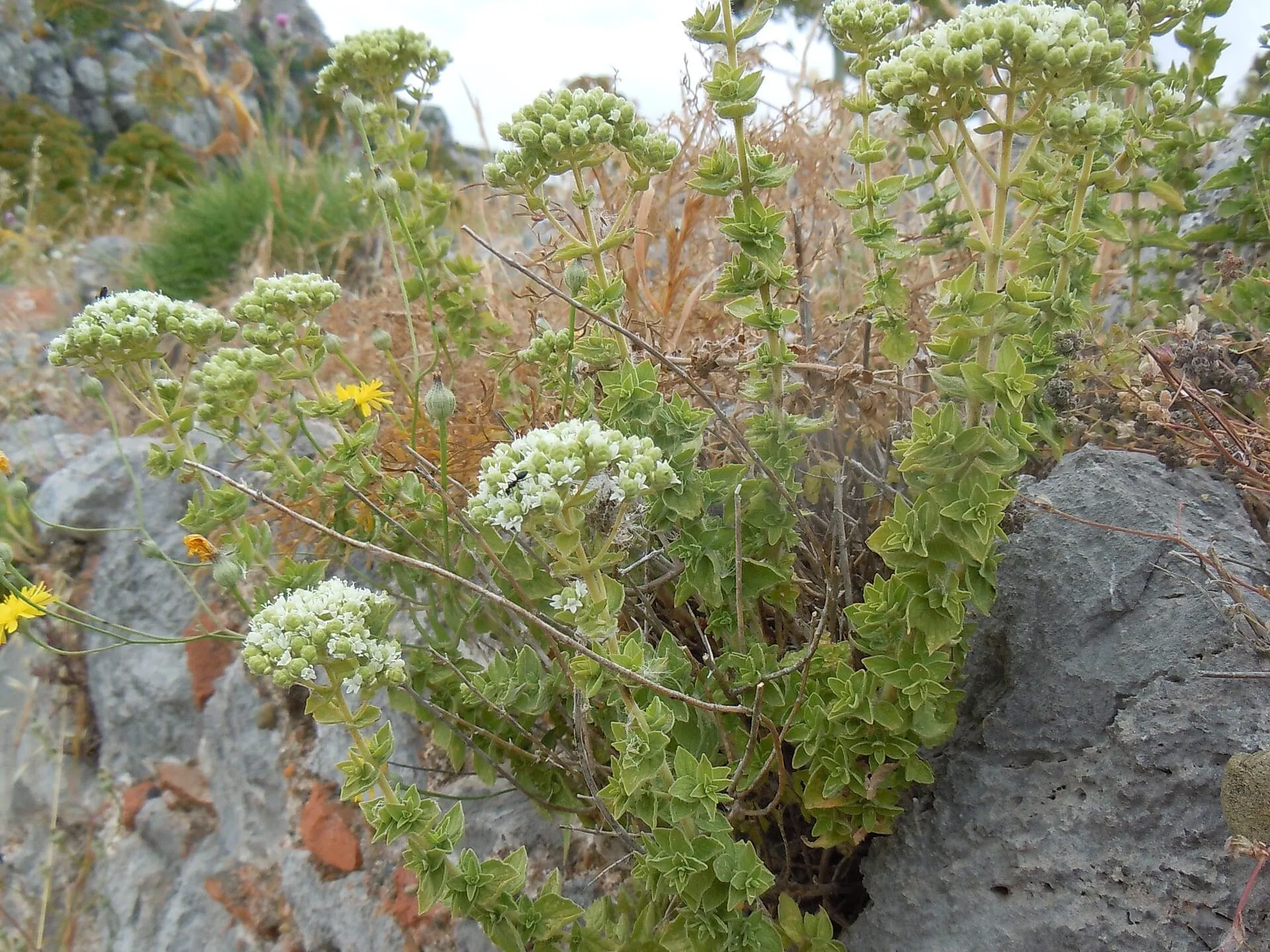
Turkish uses one word, kekik, for several plants that English separates into oregano, thyme and savory. The common one on these hills is Origanum onites, İzmir oregano, low and woody with small white flower heads. There is also Thymbra spicata, karabaş kekik, with a darker, more resinous smell.
It is the dominant scent of the Lycian Way in early summer. Walk a section above Kaş in June and you will crush it underfoot for hours. It is also what is on the grilled fish and the lamb at every table in town, and the reason Turkish oregano is exported by the tonne.
A note on picking: on protected land and in the Kaş-Kekova Special Environmental Protection Area, leave it where it is. In the market a bag costs almost nothing and someone local is paid for it.
Nettle
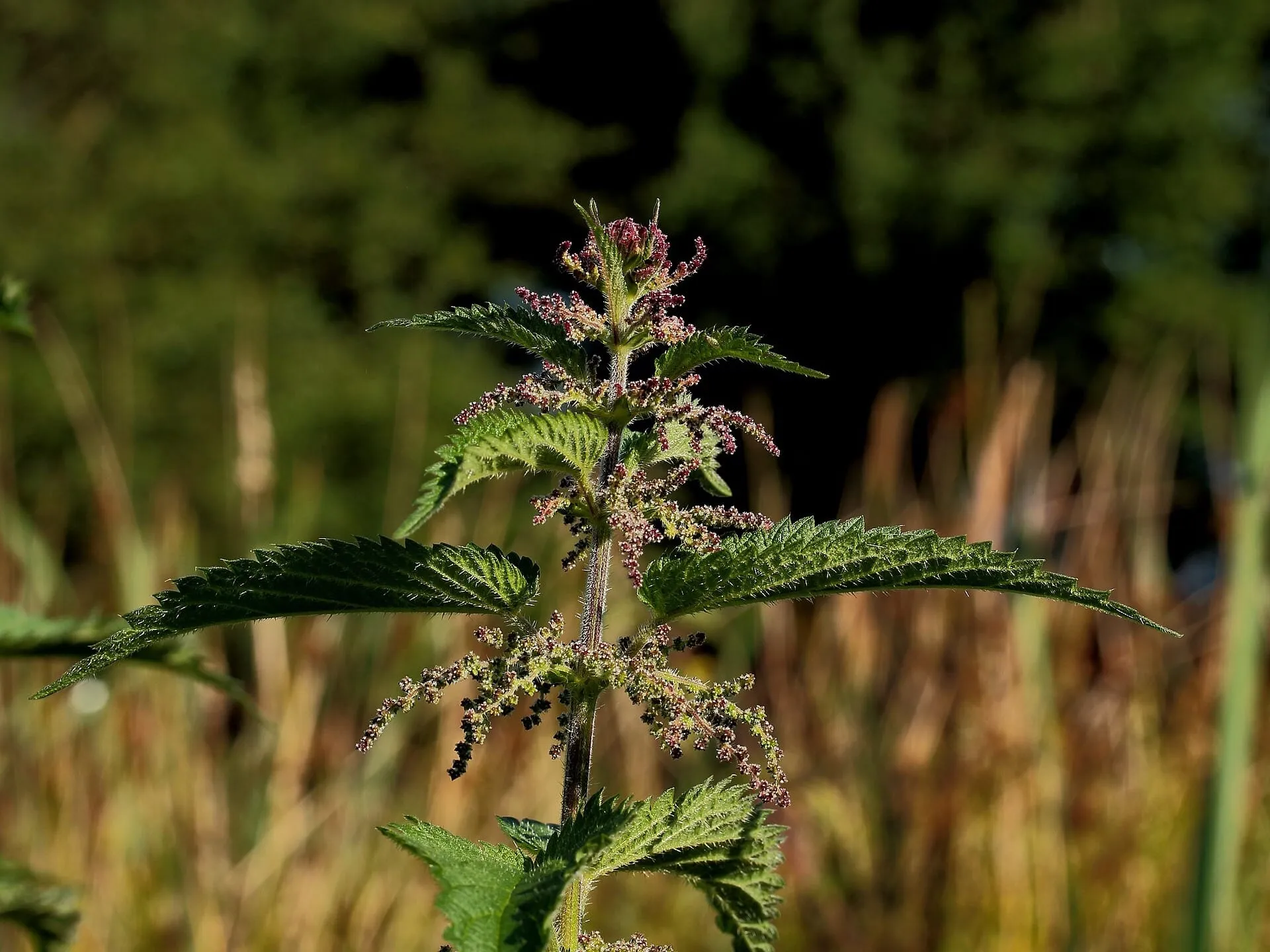
Isırgan otu comes up after the rains, in April and May and again in October and November, in damp ground and along field edges. You will recognise it by the toothed leaves and, if you are careless, by the hairs, which are hollow and inject an irritant when they break against skin.
Cooked, it loses the sting entirely and behaves like a stronger spinach. In the villages here it goes into börek and into soup, and it is one of the wild greens sold in bunches at the Friday market in spring. If you are picking it yourself, wear gloves and take only the young top leaves.
And What Else Grows Here
Not an exhaustive list. These are simply the ones you will keep noticing.
Bougainvillea
Not native, but so thoroughly at home that the old town would look wrong without it. Magenta and orange over every white wall from May onwards.
Caper
Rooted straight into vertical limestone, including harbour walls. The buds are pickled and the fruit turns up on meze plates.
Jasmine
Planted by doorways all over the old town for exactly the reason you would expect. Strongest after dark.
Olive and citrus
In the gardens you glimpse through gates, and in the terraces on the way up to Çukurbağ. Lemons in winter, olives pressed in late autumn.
Taurus cedar
Not on the coast, but an hour and a half north at Gömbe the pine gives way to Cedrus libani. Turkey holds more than half of the world's total.
Wild apple and walnut
In the highland gardens around Gömbe. The apples in particular are worth the drive, and they are sold by the roadside in autumn.
Where to Find Them
The Friday market in Kaş is the short answer. Dried sage, oregano, carob molasses and, in spring, bundles of wild greens, all brought down from the villages that morning. It is the easiest way to take any of this home and the only way that puts money in the right hands.
For seeing rather than buying, walk. A section of the Lycian Way above the town in April or May will show you most of what is on this page within an hour, and our guide to Gömbe covers the cedar forest and the highland orchards an hour and a half north.
One request. Kaş-Kekova is a Special Environmental Protection Area and the orchid enclosure at Ağullu exists because collection nearly finished the species off. Photograph the plants, buy them in the market, and leave the wild ones where they are.
Frequently Asked Questions
What plant grows only in Kaş?
Ophrys lycia, the Lycian or Kaş orchid. It is found within Kaş district and nowhere else on earth, and surveys for the conservation project counted 237 individual plants. It is protected inside a fenced area between the villages of Ağullu and Çukurbağ.
Why is the Lycian orchid endangered?
Grazing and collection. Orchid tubers are the raw material for salep, the winter drink, so wild orchids were dug up for generations. That the species existed only here, and was vanishing, was recognised late. It also grows extremely slowly: first leaf at about five years, maturity at around ten.
Can I pick wild herbs around Kaş?
On ordinary open ground, a small amount for your own use is normal practice. Inside the Kaş-Kekova Special Environmental Protection Area and around the orchid enclosure at Ağullu, do not. The Friday market sells the same herbs for very little and the money goes to the villages.
What is keçiboynuzu?
Carob, Ceratonia siliqua, also called harnup. The pods dry on the tree, so no processing is needed. It is sold as pods, as flour, and most often as a dark molasses. Store dried pods somewhere airy; sealed up they take on damp.
What is adaçayı?
Sage, and on this coast specifically Salvia fruticosa, Anatolian sage. Dried and steeped it makes the herbal tea served all over Kaş, usually with honey. It grows wild through the maquis behind the town.
When is the best time to see the wild flowers?
April and May. The rains have finished, the maquis is in flower, and the Lycian Way smells of oregano. Autumn brings a second, smaller flush after the October rains.
TWO HUNDRED AND THIRTY-SEVEN LEFT
Sage, oregano, carob and one orchid that grows nowhere else.
Come in April and walk uphill.