

 Local Tips
One of the best things about staying in Kaş is that you can start the day by the sea and spend the afternoon in the cool of the Taurus Mountains. In the morning you are watching the boats in the harbour; a few hours later you could be drinking tea in a highland village. On the map the distance between coast and mountain looks short, but it is not only the air that changes. So do the gardens in front of the houses, the crops, the way people make a living and the pace of the day.
The Route at a Glance
- Kaş → Gömbe: about 66 km, 1 hour 15–30 minutes
- Gömbe → Elmalı: about 37 km, 40 minutes
- Elmalı → Kaş: about 2 hours, back the same way
The mountain roads are winding; allow generous time for breaks and photo stops. Leave around nine in the morning and you will be back in Kaş for dinner.
The Road to Gömbe
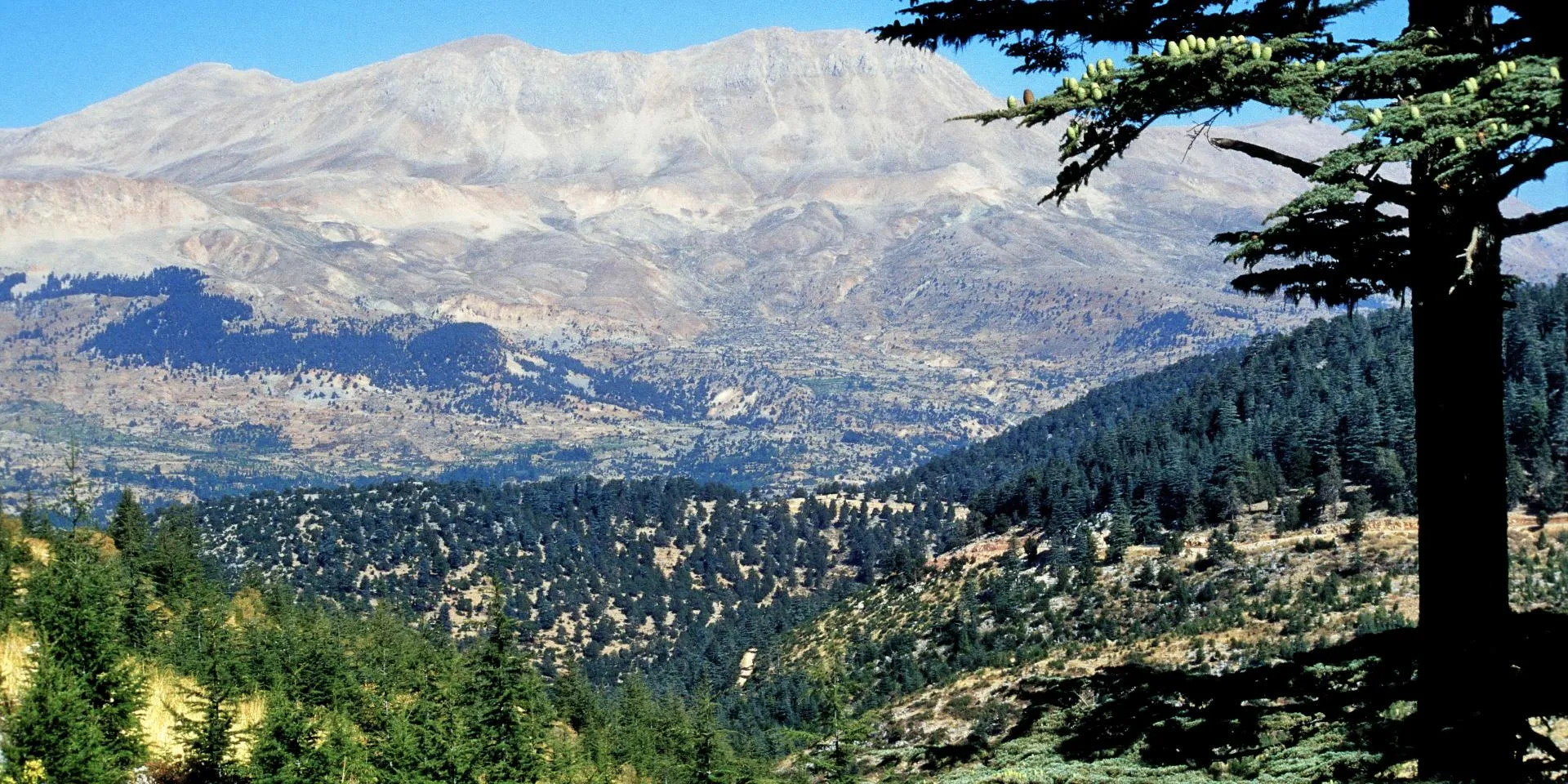
Once you turn off onto the Elmalı road out of Kaş, the road starts climbing in bends. The maquis and Turkish pines of the coast fall behind, and as you gain height the Taurus cedars appear. With their thick trunks and wide, spreading branches, these trees give the forest a completely different look. Along the way there are villages, apple orchards and small views that change with the season. You do not need to treat every stop as a destination; sometimes it is enough to pull over by the road and look around.
Gömbe is actually a neighbourhood of Kaş, at about 1,200 metres. In summer it is noticeably cooler than Kaş, and it is known for its cold springs and apple orchards. Make sure you have an ice cream here: ice cream made with snow brought down from the mountain, and kar şerbeti (snow sherbet), are Gömbe’s own treats.
Above Gömbe rise the Akdağ mountains. Their highest point, Uyluk Tepe, is about 3,016 metres, the second-highest summit in the Western Taurus. East of the Elmalı plain lie the Bey Mountains, a separate massif.
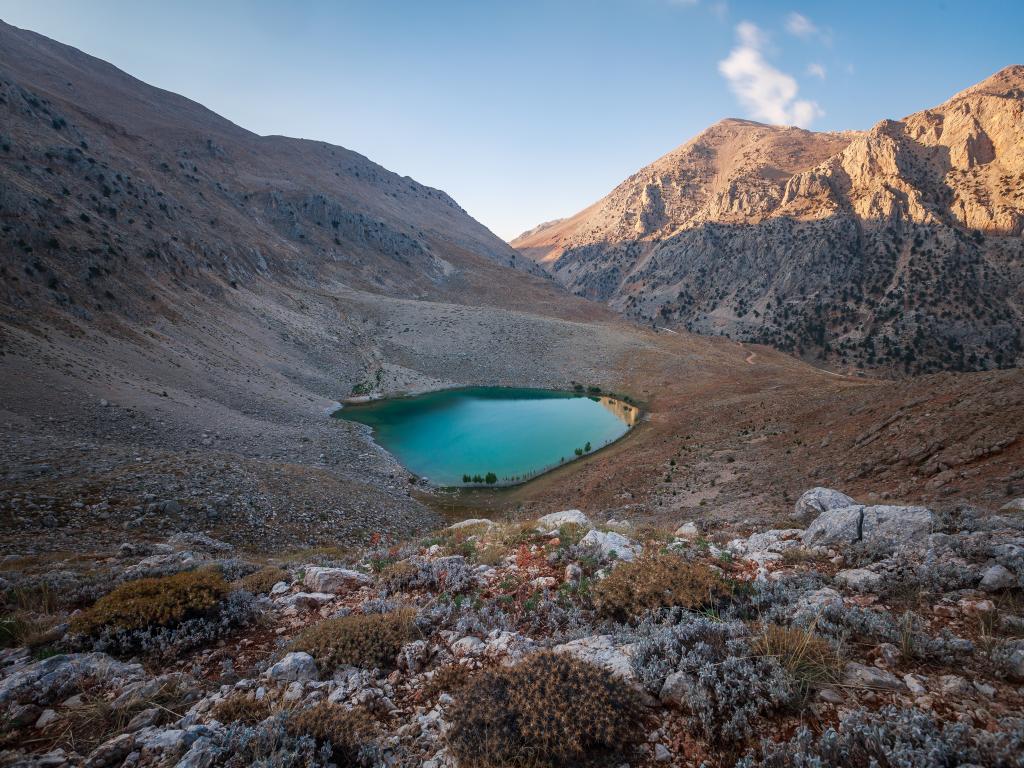
If you have the time and the fitness for a walk, you can climb from Gömbe to Yeşilgöl at about 1,800 metres; the lake is fed by snowmelt from Akdağ. Uçarsu Waterfall, on the way, drops about 50 metres, but how much water it has varies a great deal with the season and that year’s rainfall. We describe Gömbe, Yeşilgöl and Uçarsu in detail in our Gömbe guide.
These roads have a human story too. Long before anyone drove up here for a day out, families took their flocks up to the summer pastures, villagers carried their produce to market, and travellers walked through whichever passes the land allowed. Behind the bends we now take by car lies a long story of life.
We tell the story of the old roads and the seasonal move to the highlands in From Coast to Highland.
Elmalı
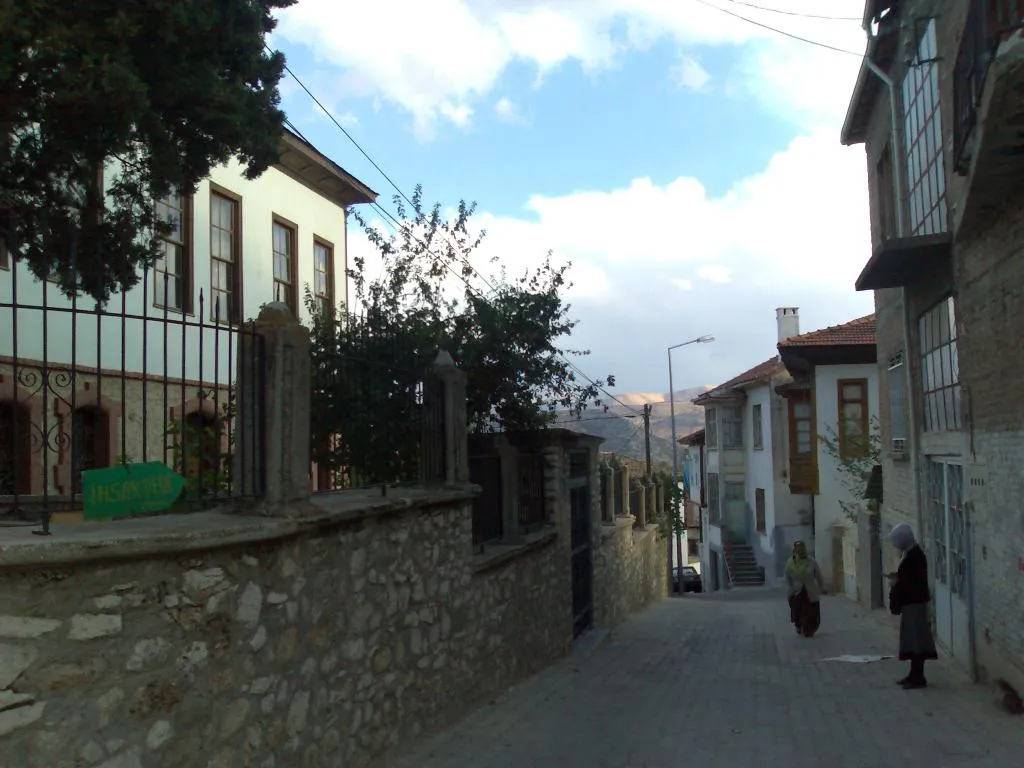
If you have time, carry on to Elmalı. This old town among the mountains is a world away from the coastal air of Kaş. Take your time walking among the houses with double bay windows and cedarwood window frames in the Tahtamescit neighbourhood and on Aylar Sokağı. Some houses have been carefully restored; others show their age openly. If you like taking photographs, you will want to stop at almost every corner.
The heart of the town is the market square. Here stands the Ömer Paşa Mosque, built by Ketenci Ömer Paşa in the early 17th century, in 1610 according to its inscription. Legend has it that the plane tree in the courtyard is one of seven that Ömer Paşa had brought from Bosnia. Opposite the mosque is the madrasa, now used as a library.
On the same square you will see a minaret with a stork’s nest on top that looks as if it was never finished: the Kesik Minare, or “Cut Minaret”. It is the only part left of the wooden Old Mosque, which burned down in the great fire of 1940, and is thought to date from the 14th–15th century. A little further on, the Bey Hamamı goes back to the 15th century and is the only one of the town’s old bathhouses still standing.
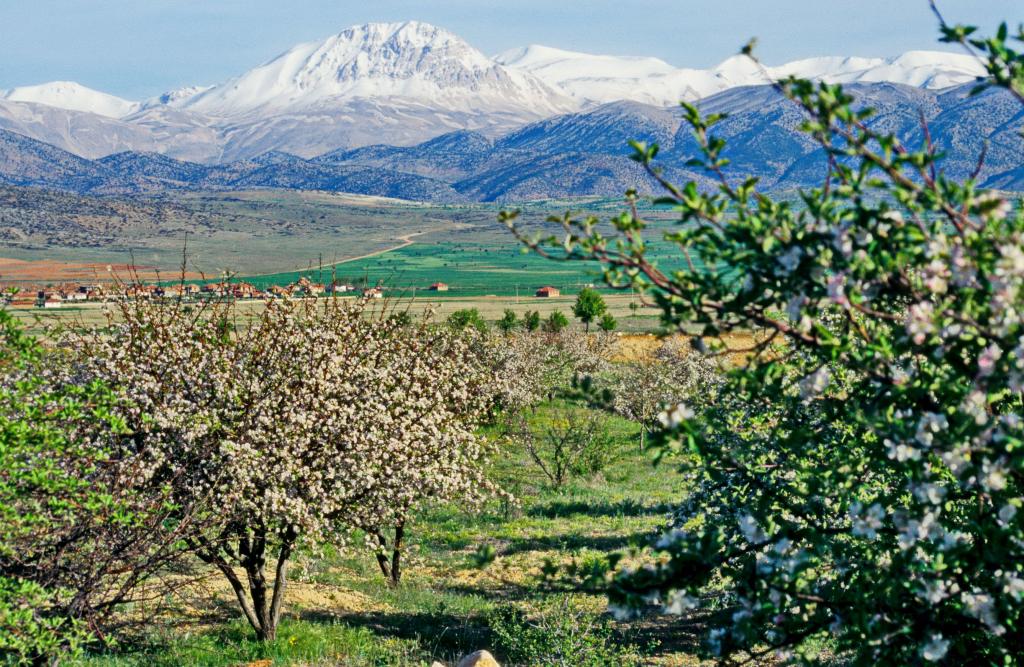
Traces of the coppersmiths’ and blacksmiths’ workshops in the bazaar are a reminder that Elmalı was once a lively centre of trade and crafts. About 12 per cent of Turkey’s apples are grown in this district, so do not leave without buying some. Elmalı is also known for leblebi (roasted chickpeas), sugar-coated leblebi and çörek helvası, a sesame halva. For lunch, try tandır kebabı (slow-roasted meat) or şiş piyaz (grilled meatballs with bean salad), followed by goat’s milk ice cream.
Elmalı Museum
Elmalı Museum, in the old Government House, opened in 2011. It holds finds from nearby mounds such as Karataş-Semayük and Hacımusalar. The original Elmalı Hoard, known as the “Treasure of the Century”, a hoard of about 1,900 coins including 14 decadrachms, is in the Antalya Museum; Elmalı displays copies. Opening hours can change, so call the museum before you go to make sure it is open.
The Cedar Forest
For tree lovers, Elmalı has another treasure. The Çığlıkara Nature Reserve is a cedar forest of about 15,900 hectares, protected since 1991. Some of its trees are said to be nearly two thousand years old. At kilometre 20 of the Elmalı–Finike road, north of Lake Avlan, is the entrance to the Elmalı Cedar Research Forest.
The Vineyards
If you would like to end the day somewhere different, you can call in at the vineyards around Elmalı. The Lycian Wines vineyards sit at about 1,100 metres; the winery is also known for bringing back Acıkara, the region’s local grape. Tastings and vineyard tours need to be booked in advance; details are on the winery’s website. If you are going to taste, decide from the start that someone who is not drinking will drive back.
Evening, the Harbour
When you get back to Kaş in the evening, the harbour will look just as you left it in the morning. What has changed is that you now know what lies behind it: cedar forests, highland pastures, an old bazaar and vineyards, all within a day’s drive.
If you are visiting at the end of August, check the dates of the Yeşil Yayla Oil Wrestling, held in Elmalı for centuries; these are the busiest days of the year in town.
Cover photo: Volker Höhfeld, CC BY-SA 4.0, Wikimedia Commons.