

 Historical & Cultural Sites
A shipwreck found near Kekova Island is offering new insight into the earliest days of maritime trade in the Mediterranean. Initial assessments based on the ceramic finds place the wreck at around 2700–2400 BC, some 4,400 to 4,700 years ago. The research team considers that it may be the oldest known shipwreck in the world; work on a definitive date is still under way.
The wreck lies just off Kekova, the island you reach by boat from Kaş — beneath the same bay’s waters as the sunken city our guests pass over in summer, but a story more than two thousand years older.
The Kekova Early Bronze Age Shipwreck
2700–2400 BC · ~30 m deep · Excavation began in 2026
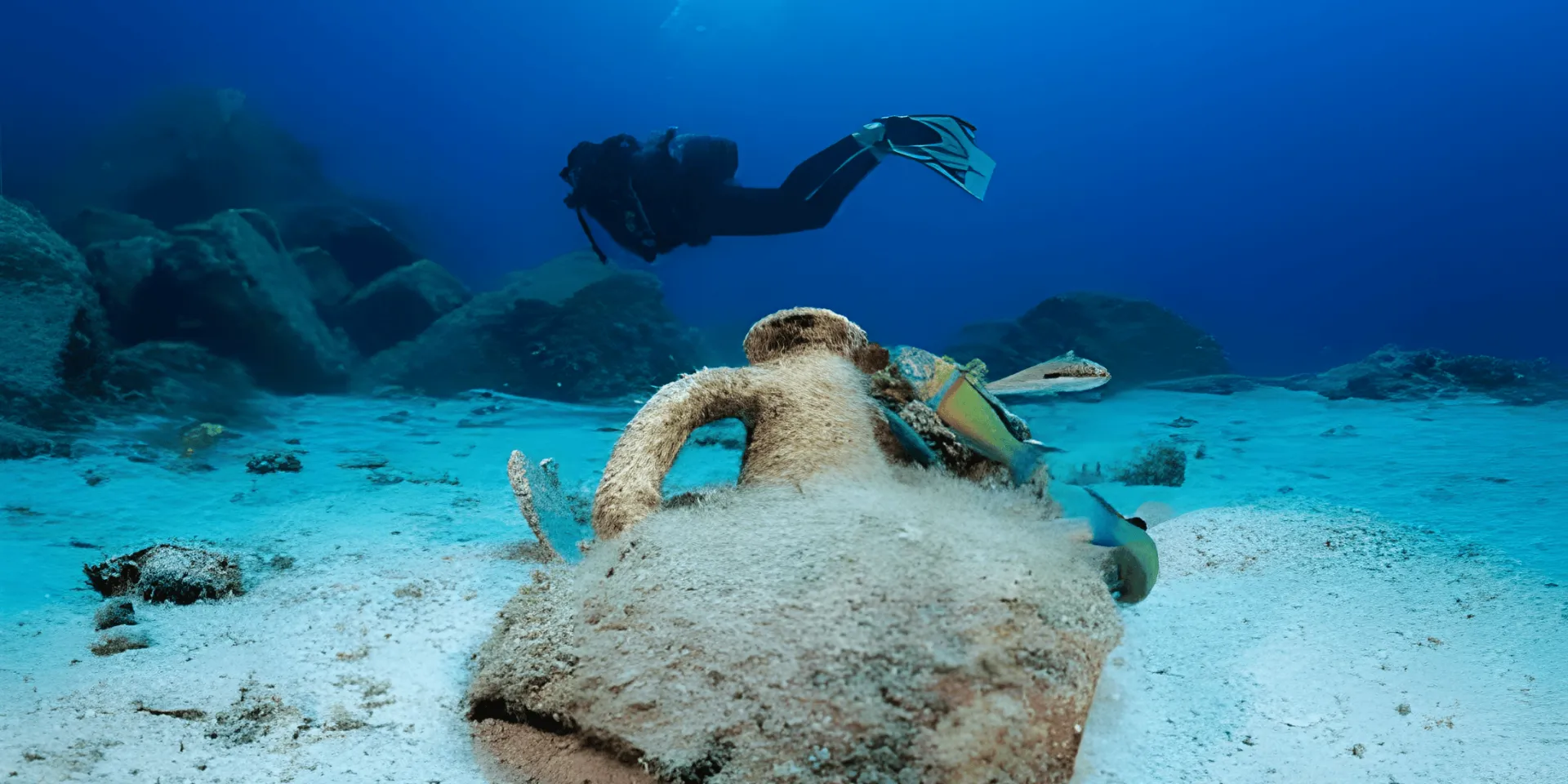
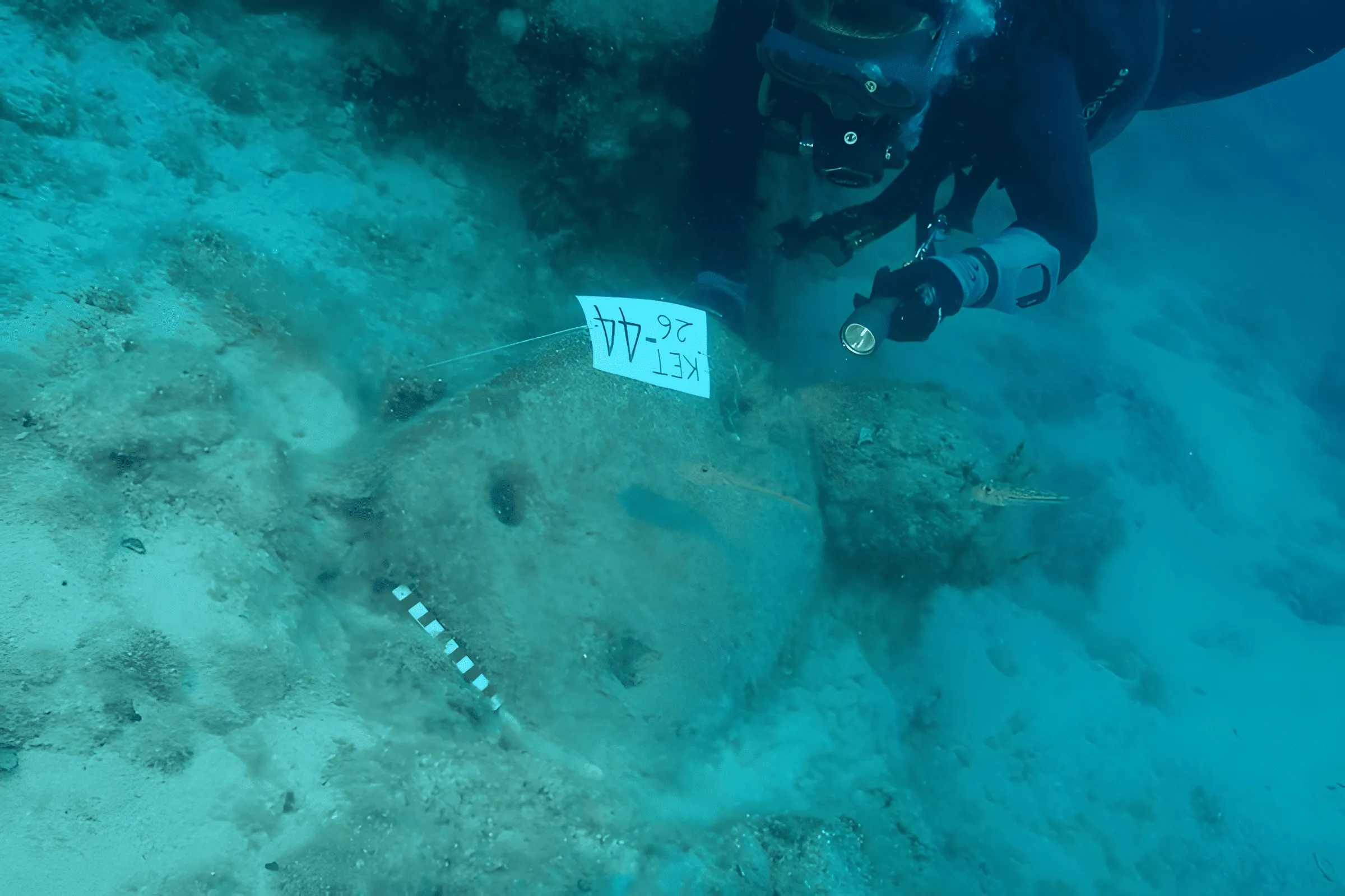
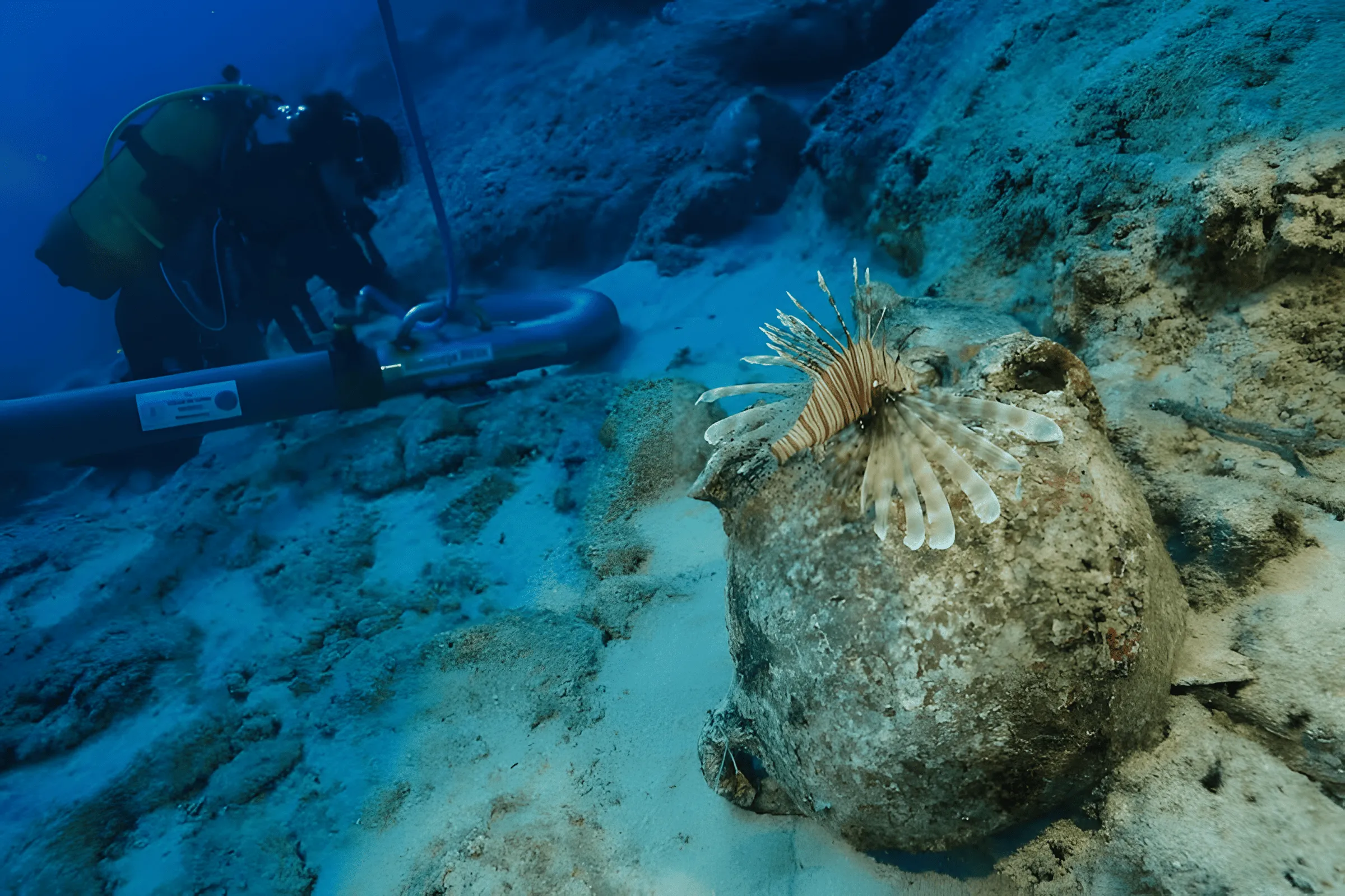
Off Kekova Island, at a depth of around 30 metres: more than 30 ceramic vessels and three stone anchors. No wooden hull survives; the ship’s date and route are read from its jars. Akdeniz University documented it in 2024, and excavation led by the Antalya Museum Directorate began in 2026. A preliminary scientific report was published in July 2026.
Discovery and Excavation
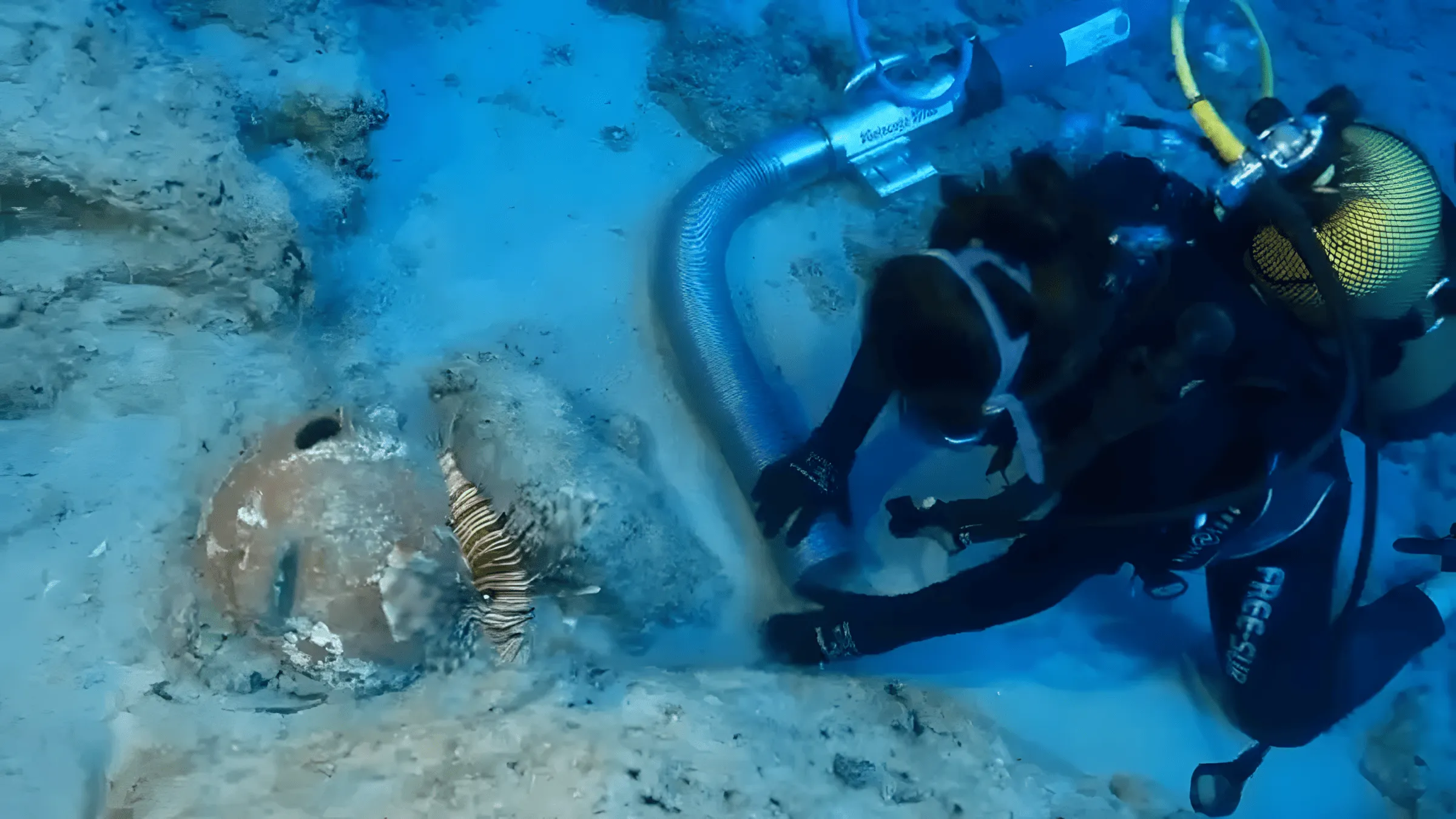
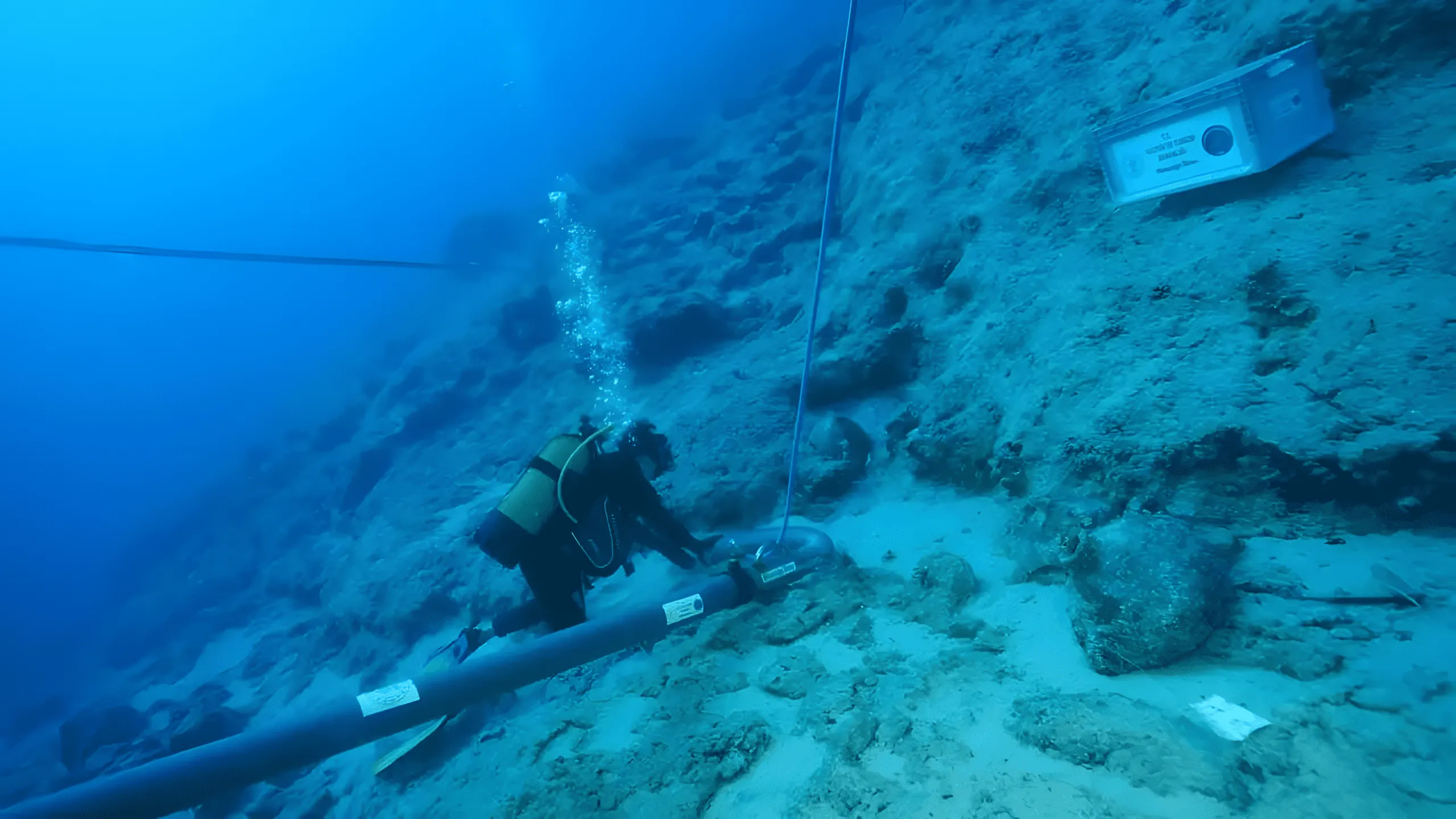
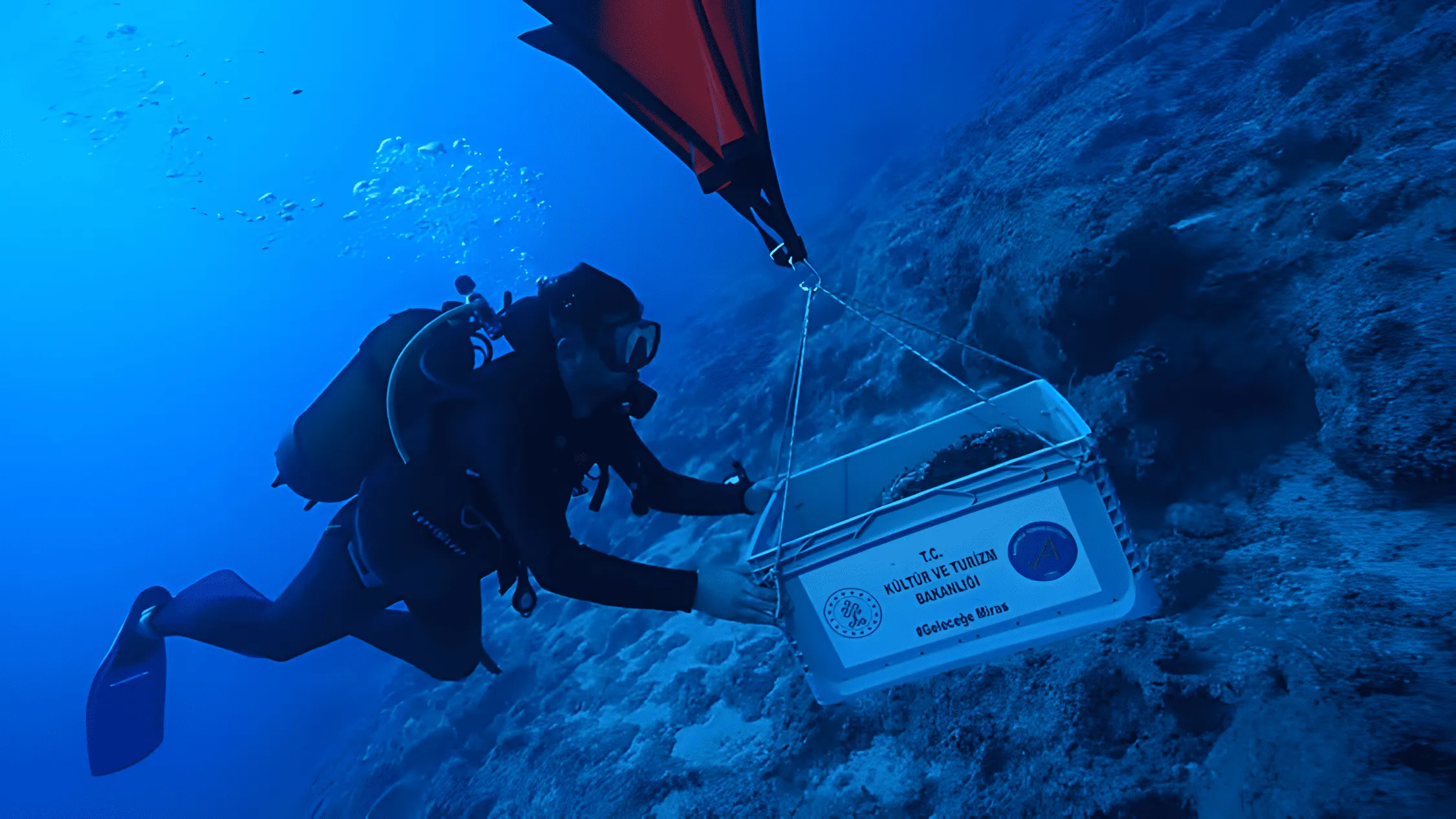
The wreck was documented in 2024 during underwater surveys by Akdeniz University. One amphora was raised in 2024 and another in 2025 for detailed study. Excavations, which began in 2026 with the permission of the Ministry of Culture and Tourism, are led by the Antalya Museum Directorate under the scientific direction of Assoc. Prof. Dr. Hakan Öniz of Akdeniz University.
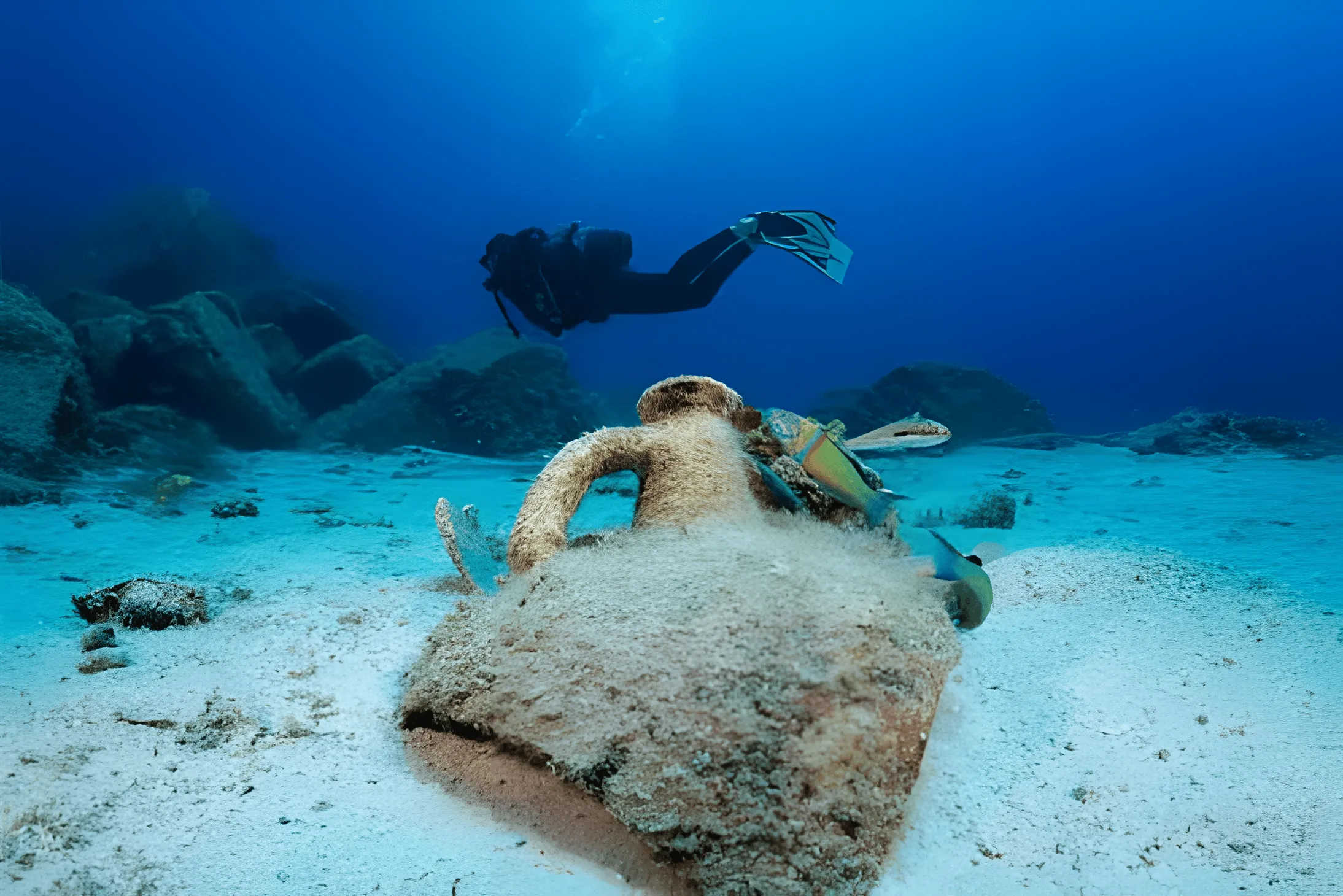
The ship’s wooden hull has not survived. The ceramic vessels left on the seabed are being studied to understand the cargo it carried and the period of its voyage. Among these vessels, known as amphorae, are flat-based examples with two side handles. Some have a raised band around the body. Their shapes and manufacturing techniques are being compared with previously dated Early Bronze Age ceramics.
Three stone anchors were also documented around the wreck: two with three holes and one with a single hole. However, the preliminary scientific report stresses that it has not yet been determined which, if any, belong to this ship. More research is needed before saying that every object found nearby belongs to the same voyage.
Ceramic vessels
More than 30, some broken. Two side handles, flat bases, a raised band on some. They resemble Early Bronze Age Levantine types; one still holds a glossy residue.
Stone anchors
Three: two with three holes, one with a single hole. At different distances from the wreck. Which belongs to this ship has not yet been determined.
A possible churn
Nine marks on the surface and two holes in the body. It may have been used to make dairy products; the possibility that goats were carried on board comes from this interpretation.
Wooden hull
None. Entirely decayed over 4,500 years; the ship's size and construction can only be estimated from how the cargo is spread — a small vessel.
Where Did the Cargo Come From, and Where Was the Ship Going?
Initial assessments of the cargo’s origin suggest that some of the vessels, or the clay used to make them, may have come from the central Jordan Valley. Karin Sowada, a Macquarie University archaeologist involved in the research, also notes that the ship may have taken on cargo at more than one port during its voyage. These findings alone are not enough to establish where the ship was built or who its crew were.
Some of the amphorae are thought to have carried agricultural products such as olive oil or wine. Among the finds is also a special vessel with nine marks on it and two holes in its body. It is thought this vessel may have been a churn used to make dairy products. From this interpretation, the possibility that goats were carried on board and dairy products prepared on long voyages is also being discussed. These are among the research’s not-yet-confirmed results.
The possibility that the ship set out from a port on the Levantine coast and was heading towards Troy or Crete is being considered. Even so, its exact destination is unknown. The wreck offers a chance to study, through an actual ship’s cargo, the trade links formed between different shores of the Mediterranean in the Early Bronze Age.
A small ship sailing from east to west sank off Kekova. Four and a half thousand years later, what remains are thirty jars telling of its cargo and its route.
“The World’s Oldest Shipwreck”?
The preliminary scientific report on the discovery was published in July 2026 in the Journal of Maritime Archaeology. The “world’s oldest shipwreck” assessment should be read alongside the ongoing research: while the initial dating is a significant finding, the researchers note that the date range may change with further study.
For comparison: until now the oldest known wreck was Dokos, found in Greece in 1975 and dated to around 4,200 years ago. If the Kekova wreck’s date is confirmed, it will be several centuries older. Türkiye’s most famous ancient wreck, Uluburun (off Kaş, 14th century BC), is more than a thousand years later.
Kekova
Four and a Half Thousand Years Under Water
Amphorae, stone anchors and the excavation team.
Can I See the Wreck?
No. The wreck lies at around 30 metres, is an active excavation site and sits within the Kekova Specially Protected Area; diving, anchoring and approaching archaeological sites are prohibited. Its location is not made public either. The finds are currently undergoing conservation; we’ll update this page when they go on display.
What you can see is its context. On a Kekova boat trip you pass over the same bay: the underwater staircases of Dolichiste, the castle at Kaleköy, the sarcophagi of Üçağız — all built two thousand years after this ship, along the same sea route. The Museum of Lycian Civilisations at Andriake in Demre is the nearest exhibition on the region’s maritime trade.
Kekova boat trip
From Üçağız or Kaş harbour. Over the sunken city, Kaleköy, a swim at Tersane Bay. The waters of the wreck — the part you can't see.
Museum of Lycian Civilisations, Andriake
In Demre, at Myra's ancient harbour. The region's maritime trade and finds from the Lycian League. Fits into the same day as Kekova, 20 km.
Diving in Kaş
The wreck itself is off limits, but Kaş's dive sites — walls, a sunken aircraft, an amphora field — are the visible history of the same sea.
Details: Kekova and Üçağız Boat Tour, Kaş Dive Sites, Demre and Myra.
Frequently Asked Questions
How old is the Kekova shipwreck?
The initial dating is 2700–2400 BC, or 4,400–4,700 years ago. It is based on the shape of the ceramic vessels; definitive dating is ongoing and the range may change.
Is it really the world's oldest shipwreck?
Possibly. The oldest known wreck until now was Dokos in Greece (about 4,200 years). If Kekova’s date is confirmed it will be older; the researchers are not yet presenting this as a definitive result.
Can I dive the wreck?
No. It’s an active excavation site within the Kekova Specially Protected Area, and its location is not disclosed. Diving, anchoring and approaching are prohibited.
Where are the finds displayed?
The amphorae that have been raised are undergoing conservation and are not yet on display. We’ll update this page when they are. The nearest museum on the region’s maritime trade is the Museum of Lycian Civilisations in Demre.
Where was the ship coming from?
Some of the vessels resemble Jordan Valley clay; it is thought to have left a Levantine port and headed west, towards Troy or Crete. It may have taken on cargo at more than one port along the way. Not certain.
How do I get there from Kaş?
You can’t visit the wreck itself; for its context, take a Kekova boat trip. Üçağız is 32 km by road, and boats also leave from Kaş harbour. Details in our Kekova guide.
This piece was written in October 2026. Main sources: Öniz and Öztosun, “Preliminary Report on the Early Bronze Age Shipwreck in the Kekova Region of Antalya”, Journal of Maritime Archaeology, 24 July 2026; Akdeniz University’s statement on the excavation and finds, 15 October 2026; Macquarie University’s report including Karin Sowada’s assessment, 15 October 2026. The dating and interpretations are preliminary; we’ll update as the research progresses.

On the Shore of the Same Sea
32 km to Kekova, 10 Minutes to the Harbour
After reading the story of a ship that passed this coast four and a half thousand years ago, breakfast on a terrace looking out over the same waters. For a Kekova boat trip, the Demre museum or a dive, just write to our reception team.
FOUR AND A HALF THOUSAND YEARS AGO, ON THE SAME SHORE
The Mediterranean’s oldest cargo beneath the waters of Kekova.
A boat day from Kaş, one step from Luna Kaş.