

 Historical & Cultural Sites
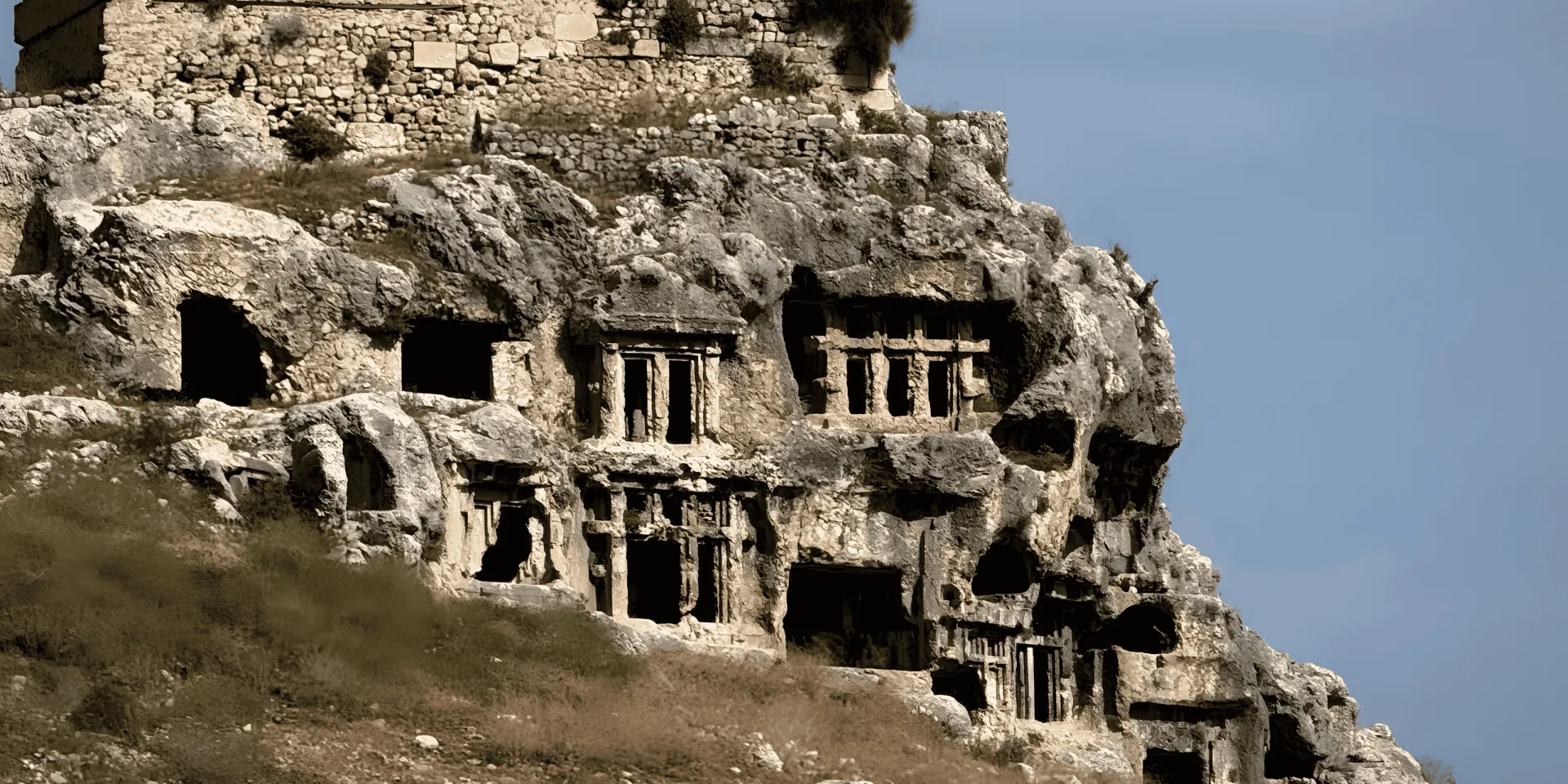
 Tlos stands as one of Lycia’s most talked-about ancient cities — yet it remains overshadowed by Ephesus and Troy, a hidden gem far from the crowds. Its ruins perched atop steep cliffs, its theatre overlooking the sea, its history stretching from the Hellenistic age through the Roman period — all of this converges at a spring’s mouth, a perfect study of light and stone. For guests staying at Luna Kas, experiencing the two-thousand-year silence of Tlos after Kaputas Beach’s turquoise waters means completing a full journey.
Stone and Time: Tlos
Lycia's Elevated Throne
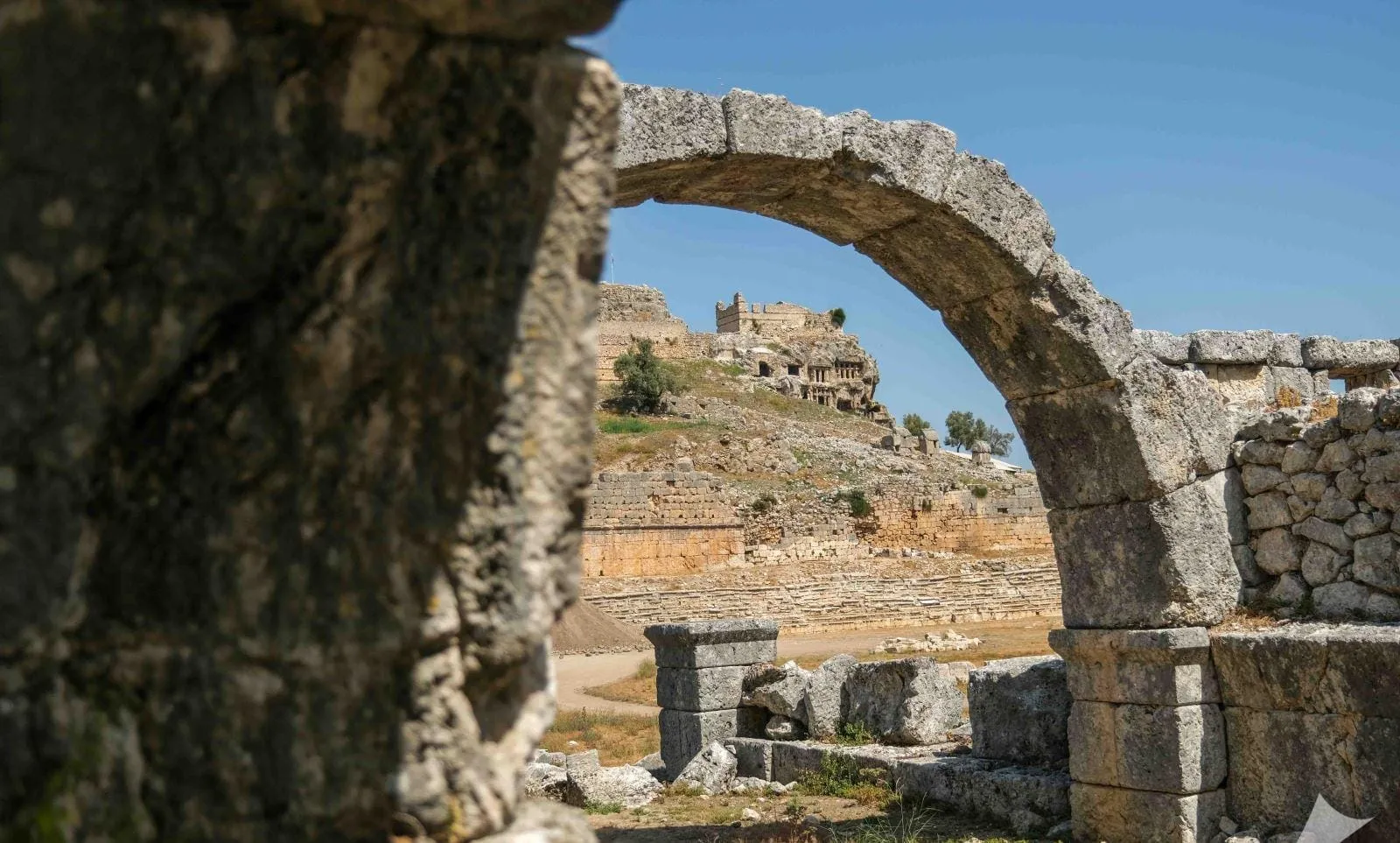
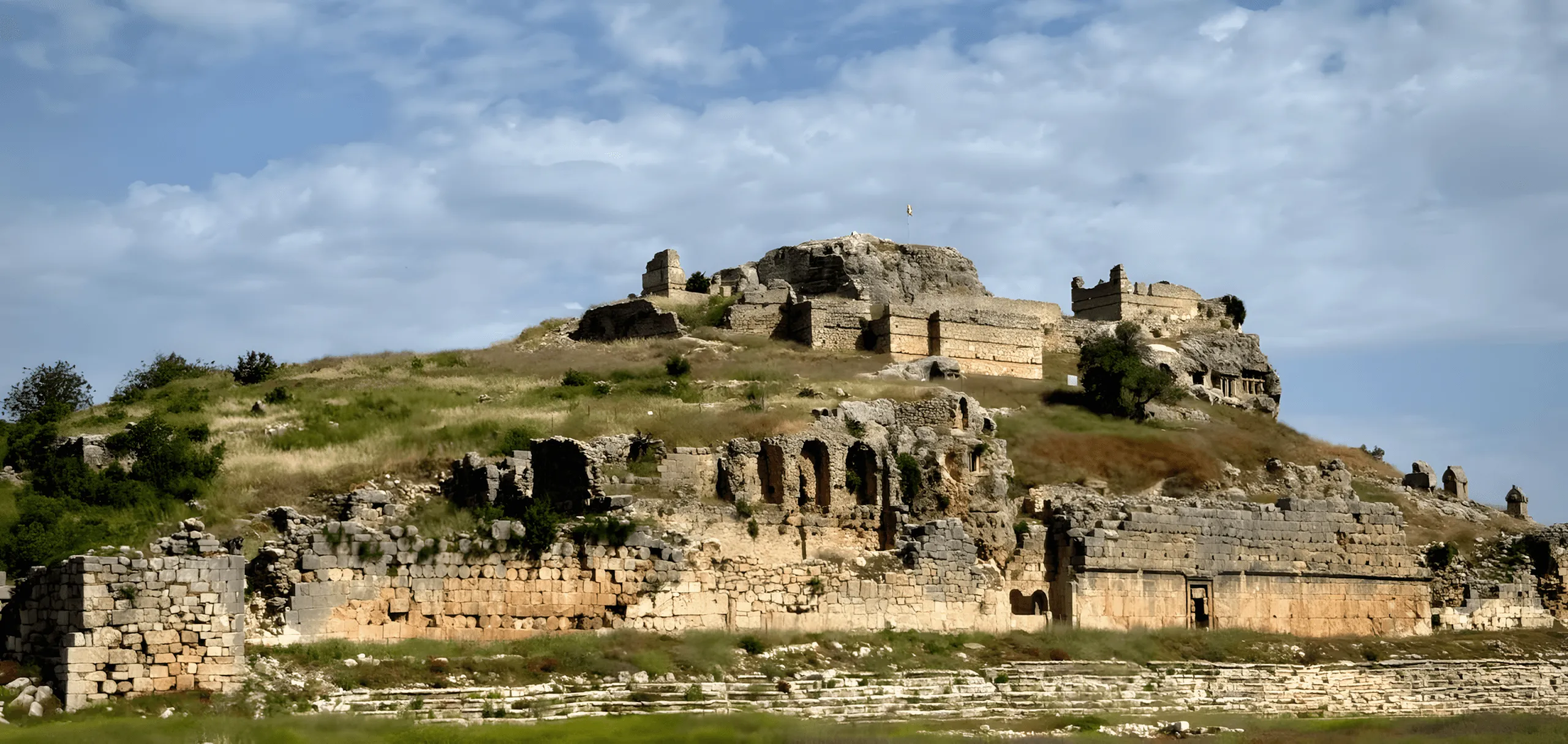
Tlos rises 800 metres above Mediterranean sea level, where stone and sky converge. Its Ionic theatre, Hellenistic tombs, and thick Roman fortress walls each carry traces of Lycian civilization, subsequent conquerors, and finally Ottoman farmers. Tlos is not merely a place; it is an open book for reading the layers of ages.
Where is Tlos Ancient City?
Tlos is located between Kas and Fethiye in the Mediterranean region’s ancient cities, positioned near the Mugla–Antalya border. In terms of geographic coordinates:
Tlos Location
Distance from Kas
70 km — 90 minutes by personal vehicle, 1.5 hours by tour. An ideal day trip from Luna Kas, departing early morning.
Distance from Fethiye
35 km — Fethiye-based tours frequently include Tlos in their itinerary.
Distance from Kalkan
55 km — slightly closer than from Kas. A preferred day trip destination for guests at nearby hotels and resort complexes.
Elevation
790 metres above sea level. Cool temperatures, fresh air, and expansive views guaranteed.
Route from Luna Kas to Tlos
Lycia’s History: How an Ancient City Was Built
Tlos emerges at the dawn of written history as one of Lycia’s six major cities in the confederation. Around 500 BCE, it became an important hub in Lycia’s trading networks, subsequently experiencing Persian rule, then the tyrants of the Hellenistic era. Under Ptolemy’s control and later as part of Rome’s Lycia province, Tlos underwent physical transformations while its social fabric maintained stability across centuries.
The city’s selection for settlement and defence was carefully considered. High cliffs provided a natural fortress, while the nearby Xanthos River (ancient Xantos) supplied water essential for trade and agriculture. The sloped terrain and sharp location presented engineering challenges for theatre and forum construction — yet the structures that solved these problems made Tlos legendary.
Tlos’s Principal Structures: The Language of Stone
As you wander through Tlos, each stone holds a fragment of history. Below are the principal structures not to be missed and their narratives:
Tlos's Iconic Structures
The Ancient Theatre
Built in the 1st century BCE, this 300-seat theatre is so beautiful that you come to view the scenery more than the performances. The steps remain solid; when you sit, you occupy the same sightline as Lycian-era spectators.
Roman Fortress Walls
Constructed in the 1st century BCE, distinguished by exceptional stonework. It earned its Turkish name 'kale' (fortress) through Ottoman-era reinforcement. Looking out from these walls provides historical perspective.
Lycian Tombs (Hecatomb Type)
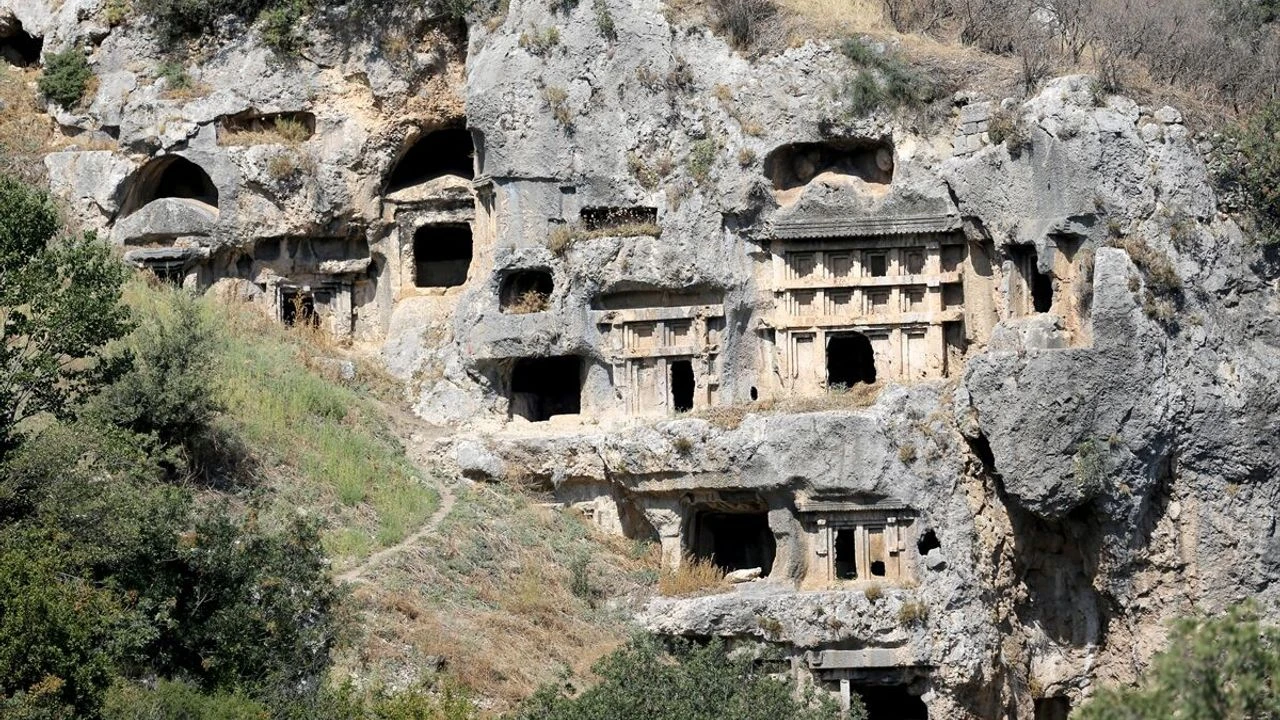
Among the finest examples of Hellenistic architectural design. Marble chambers carved into rock, adorned with inscriptions and reliefs in every tomb — showing how death itself was immortalized in beauty.
The Agora (Ancient Market Square)
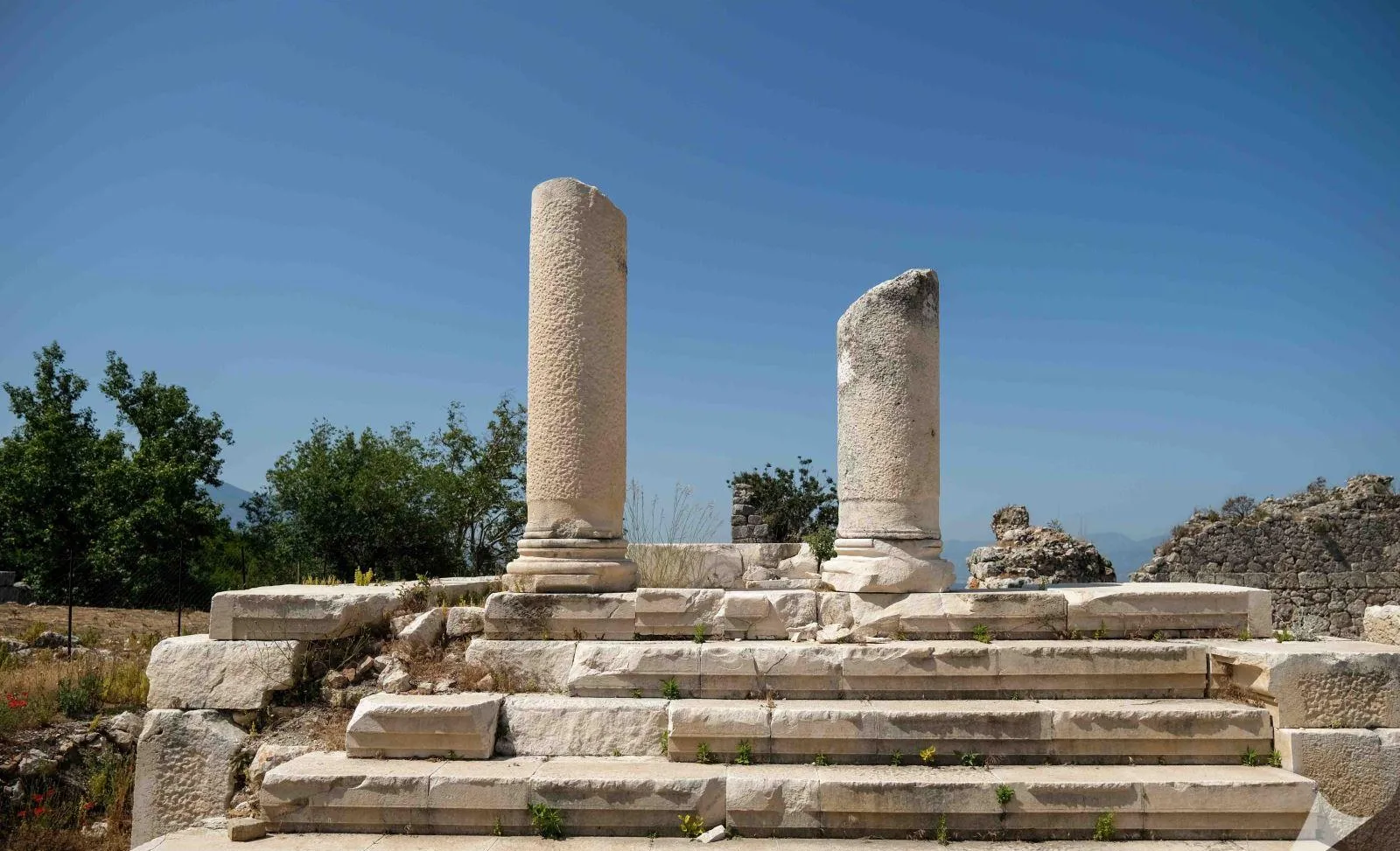
Remains of the public marketplace. Columns, architectural blocks, stone platforms configured for commerce — the structure of daily life, still legible a millennium later.
Sarn Point Palace (Near Sultan Alaaddin Tomb)
Later reinforced during the Ottoman period. A rare example where ancient and Ottoman-era architecture coexist.
How to Get to Tlos?
Tlos limits tourist buses to protect its ancient heritage — so most visitors either book tours or drive privately. Options below:
By Personal Vehicle / Rental Car
From Luna Kas: You can rent a vehicle near Kas Bus Station or request a private transfer from Luna Kas reception. The road heads toward Fethiye, then connects to Tlos road signs. Travel time is 90 minutes each way, with a 2–3 hour visit — a complete day outing.
Important points to note:
Mountain Road
The road from Kas to Tlos is mountainous and winding. Careful driving is essential if renting a car. Many prefer sedans over 4x4s on longer Kas-Fethiye routes — but finding a sedan suitable for the mountainous Tlos climb is challenging.
Parking
Tlos ancient city has limited parking at its entrance. Arriving early in peak season ensures a spot.
Paid Entrance
Museum pass applies to Tlos. Without a pass, pay the day's ticket price at the entrance. Discounts for children apply.
Guide Services
You can hire a registered culture tourism guide from the Tourism Guides Association — making every stone of Tlos comprehensible. Luna Kas reception provides recommendations.
By Organized Tour
If you choose a day tour from Kas or Fethiye, you travel with a guide and guide commentary, making it stress-free. Tours from Fethiye typically offer Tlos + Saklikent Canyon + Xanthos combinations; a full day can cover all three. Luna Kas reception can advise which tour operator is best for your season.
What to Bring When Visiting Tlos
Tlos Ancient City Visit Checklist
At elevation, in open air, among history
Plenty of Water & Hydration
Sunscreen (Mineral-Based)
Comfortable Walking Shoes
Light Reference Guide or Phone Guide
Camera
Light Backpack
Tlos opening hours vary by tourism season. Summer hours are 08:00–19:00. Winter hours (November–March) are 08:00–17:00; confirm current times with Luna Kas reception.
Touring Route Within Tlos: Hour-by-Hour Planning
Most visitors to Tlos spend 2–3 hours here. If you’d like to explore more deeply, this route is designed for you:
0–30 minutes: Entry and Orientation
Buy your ticket and review the ancient city map. If you haven’t hired a guide, information panels at the gate are a starting point. The water features and old walls physically transport you to the beginning.
30 minutes – 1.5 hours: Theatre and City Centre
Climb toward the ancient theatre. There are hundreds of steps — but once seated in the theatre, all breathlessness is rewarded. Looking down from the theatre, you see the Xanthos valley and distant sea. Rest 15–20 minutes. Then move to the tomb area to the side — Lycian-inscribed stone burials show how art and love became permanent over death.
1.5 hours – 2.5 hours: Roman Fortress and Higher Points
Head toward the peak. The Roman fortress walls reveal how strategically designed the city was. Looking west from here, you can see the distant Xanthos ancient city (very nearby, same region). Spend the last 20 minutes seated on the fortress terrace, absorbed by the vista. Lycia’s elevated throne, regrettably less famous today — which adds to its tranquility.
Gallery
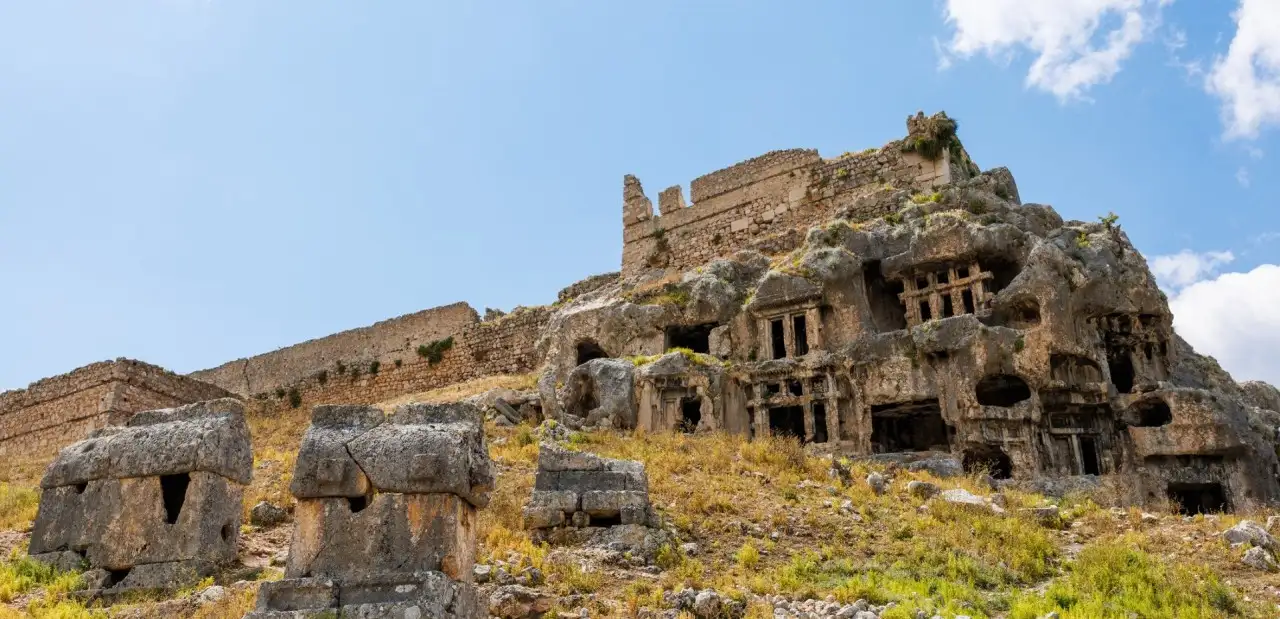
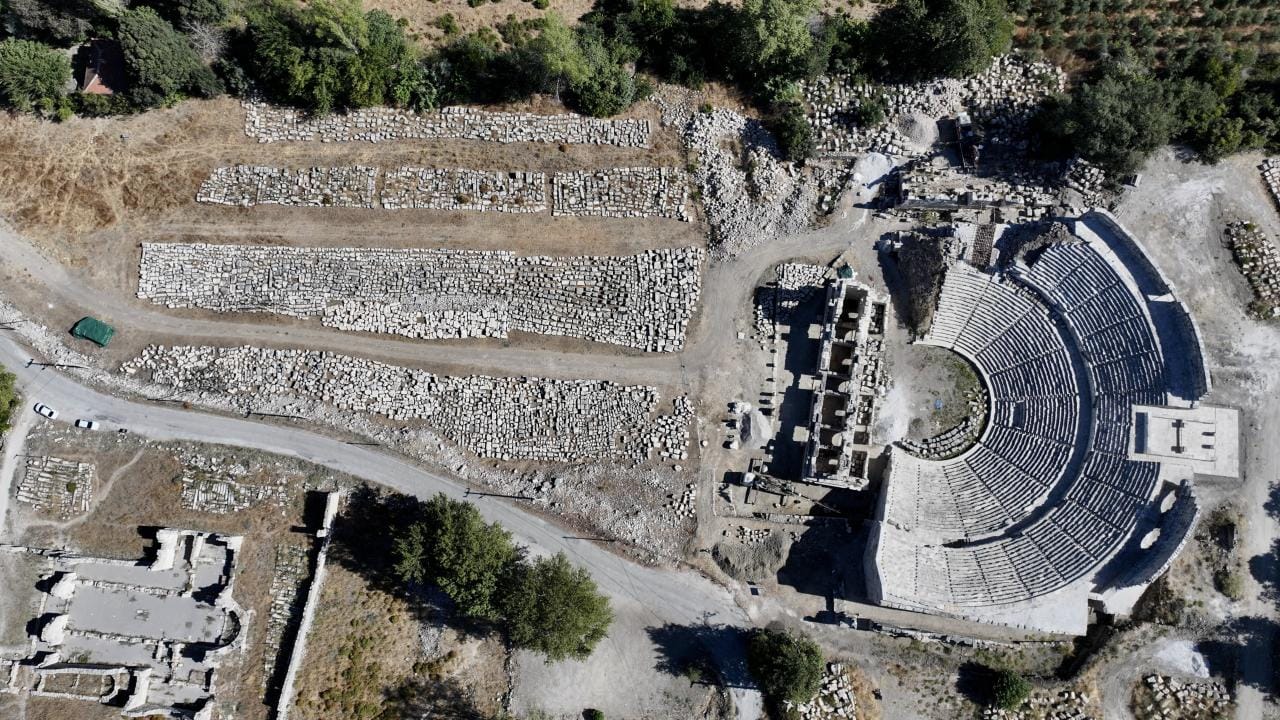
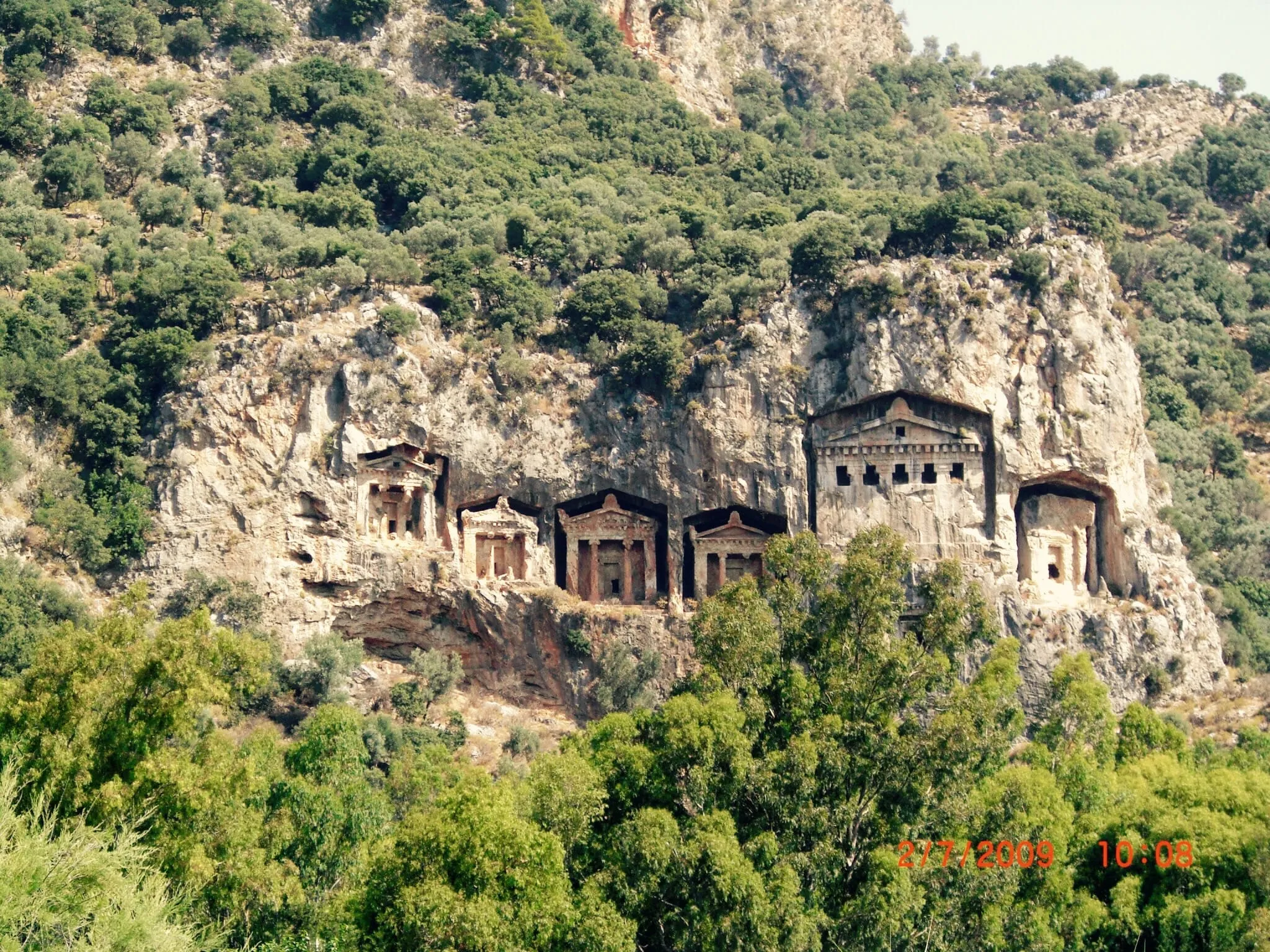
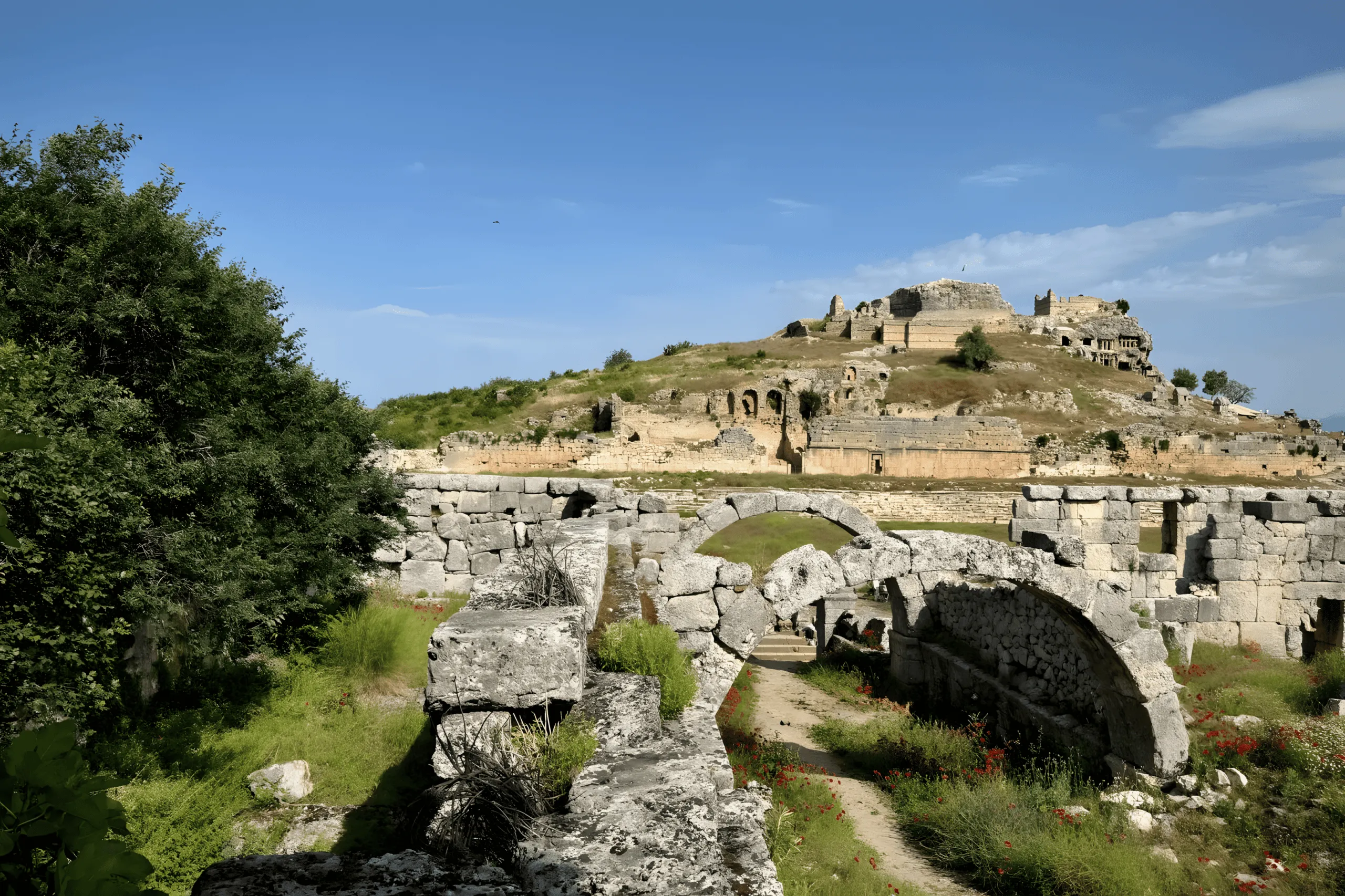
Scenes from Tlos Ancient City
Stone, landscape, time — snapshots of Tlos living within photographs.
Weather and Seasons When Visiting Tlos
At 800 metres elevation, Tlos’s weather differs significantly from sea level. Consider these seasons:
Summer (June–August)
Very hot — midday can exceed 35°C. Early morning (08:00–10:00) or late afternoon (16:00–19:00) hours are preferred. Sun is intense; do not visit without ample water and shade.
Spring (April–May)
Ideal visiting season. Weather is mild, warm but not excessive, breezes are gentle. Tlos's finest days belong to this period.
Autumn (September–October)
Excellent — slightly cooler but still sunny. Early October ranks among important outdoor preferences.
Winter (December–March)
Cold — especially mornings and evenings. Less crowded, though. On cloudy days, visiting can be hazardous; elevation and wet stone become slippery.
Frequently Asked Questions
What is the entrance fee for Tlos?
Tlos falls under the Museum and Ancient Cities Ticket System — museum pass applies. Without a pass, pay the day’s ticket price at the entrance. Child and retiree discounts apply. Tip: Check ticket prices in advance; they vary seasonally.
How long does it take to tour Tlos?
Quick visit: 1.5 hours. Thorough tour: 3 hours. With a hired guide and deep historical learning, 4 hours is possible. Luna Kas reception can recommend specialized guides.
Are there food/dining options at Tlos?
No café or restaurant exists within the ancient city. A small kiosk near the entrance (seasonally open) sells snacks and water. For full meals, head to Fethiye (15 km away) or bring a picnic.
How long from Luna Kas to reach Tlos?
By car from Kas: 90 minutes. Factoring in car rental and fuel, a 09:00 departure reaches Tlos around noon. Return is equally 90 minutes.
What is the best season to visit Tlos?
April–May (spring) is most ideal. September–October (autumn) is also excellent. If visiting in summer, arrange an early 08:00 start and finish by afternoon.
What must be seen at Tlos?
The Ancient Theatre (essential), Roman Fortress peak (for views), Lycian tombs (architectural marvel), Agora remains. Allocate at least 2 hours for these four.
Is Tlos accessible? (Wheelchair, mobility devices)
Unfortunately not fully accessible. The ancient city is sloped, stepped, and stone-paved. Those with mobility challenges can reach only the entrance area and theatre’s front rows. Luna Kas reception recommends discussing specific needs in advance.
Beyond Tlos: Nearby Ancient Cities
Having come to Tlos, visiting other ancient cities in the region makes sense. The Kas–Fethiye zone is dense with history:
Ancient Cities Near Tlos
Xanthos (40 km)
Capital of the Lycian Confederation. More extensive and busier. A trip from Tlos to Xanthos fits the same day's schedule. Museum pass works at both.
Saklikent Canyon (15 km)
Not an ancient city but a natural wonder. A river flows between sheer cliffs — 300 metres at its highest point! A popular cooling stop on the return from Tlos.
Patara Beach (50 km)
Ancient Patara city plus modern beach. One of the few beaches where loggerhead sea turtles nest. A good option if you want a seaside component.
Letoon (40 km)
Ancient temple complex, the religious centre of Xanthos. Fewer visitors — quiet and reverent.
After Tlos: Return to Luna Kas
History-Weary, Soul Renewed
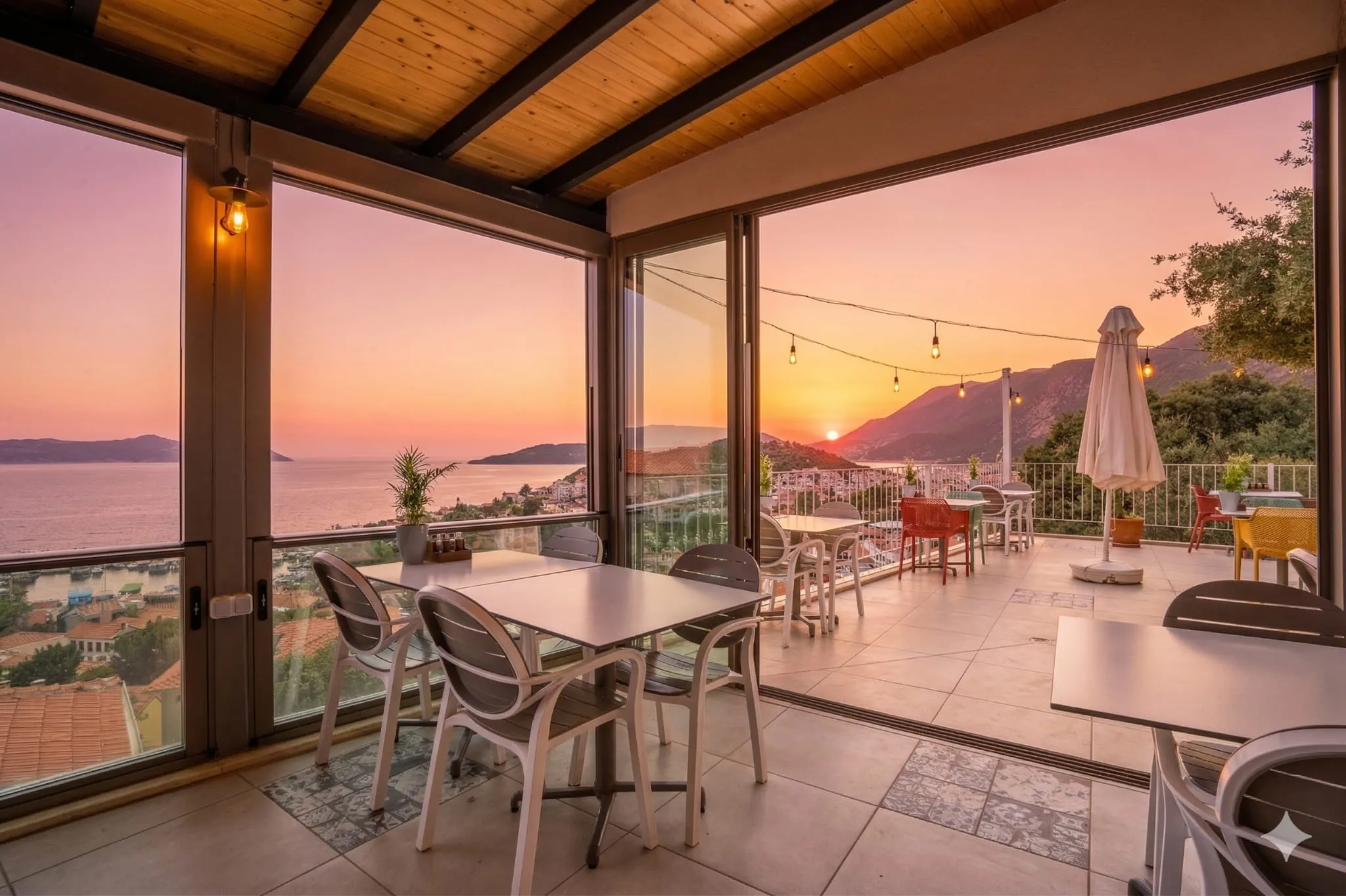
Witnessing what people thought millennia ago, how they built structures, how they memorialized their deaths — these carry weight. Returning to Luna Kas, a cool shower, cold lemonade on the terrace, swimming in the pool’s blue — you arrive at a rest that embraces historical depth. Our reception team is ready with guide recommendations, transfer services, seasonal calendars, and the latest information for Tlos, Xanthos, Saklikent, and Patara.
FOR HISTORY LOVERS, WITH LOVE FROM TLOS
To those who wish to read stones that have stood for millennia, we say hello.
Stay at Luna Kas, climb Lycia’s elevated throne, return home by evening.