

 Historical & Cultural Sites
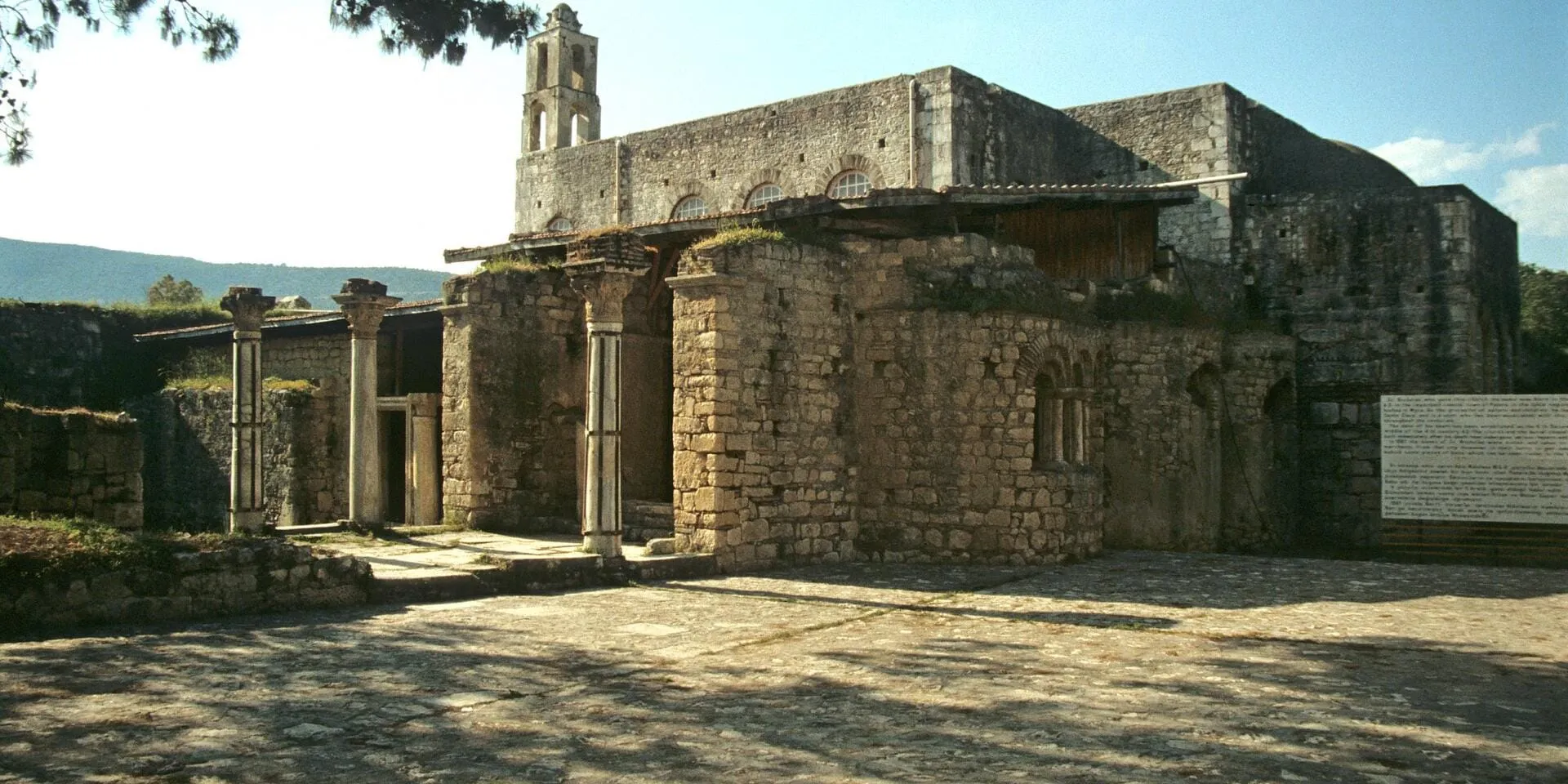
 Among the olive groves and citrus orchards of Demre stands a modest stone basilica that gave the world one of its most beloved figures. The Church of St. Nicholas — known across the globe as the Santa Claus Church — is the resting place of the 4th-century bishop whose generosity evolved, over sixteen centuries, into the legend of Father Christmas. A short drive from the rock-cut tombs of Myra, this sacred site offers a journey not into stone and spectacle, but into faith, charity, and the quiet origins of a story told to children everywhere. Setting out from the serene comfort of Luna Kaş and following the Mediterranean coast toward Demre, you can stand before the very tomb where the real Santa Claus once lay.
Where the Legend Was Born: St. Nicholas
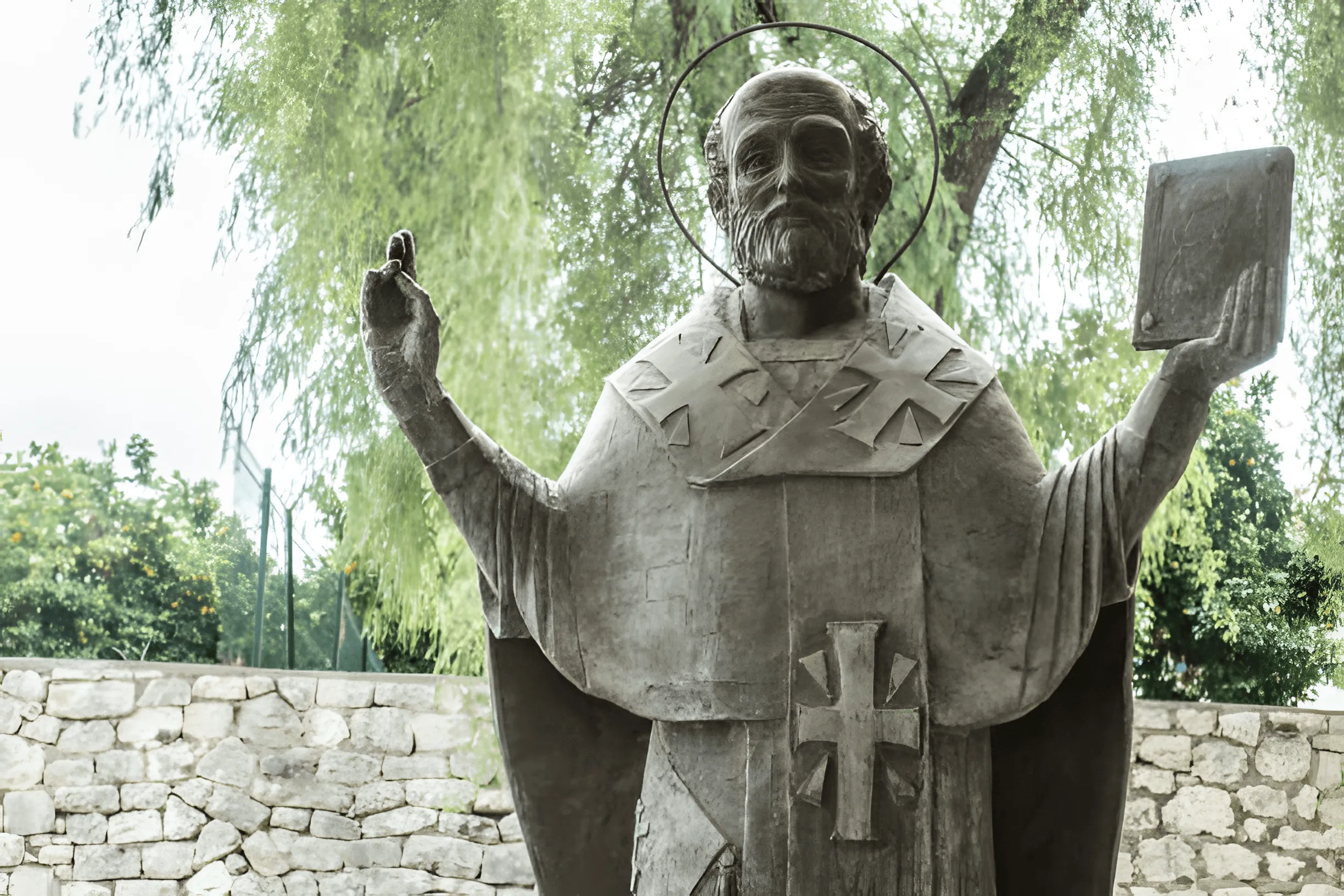
The Bishop Who Became Santa Claus
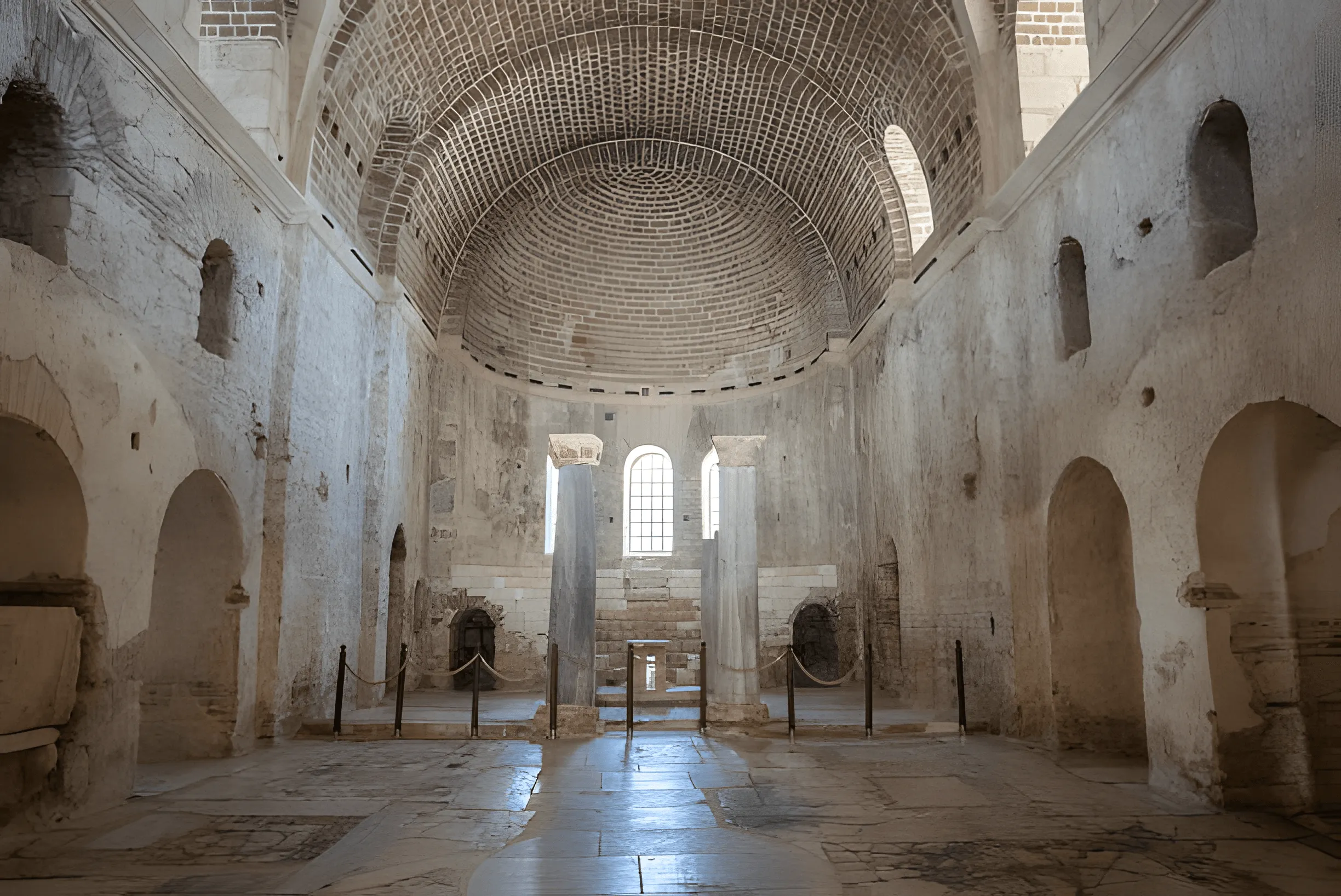
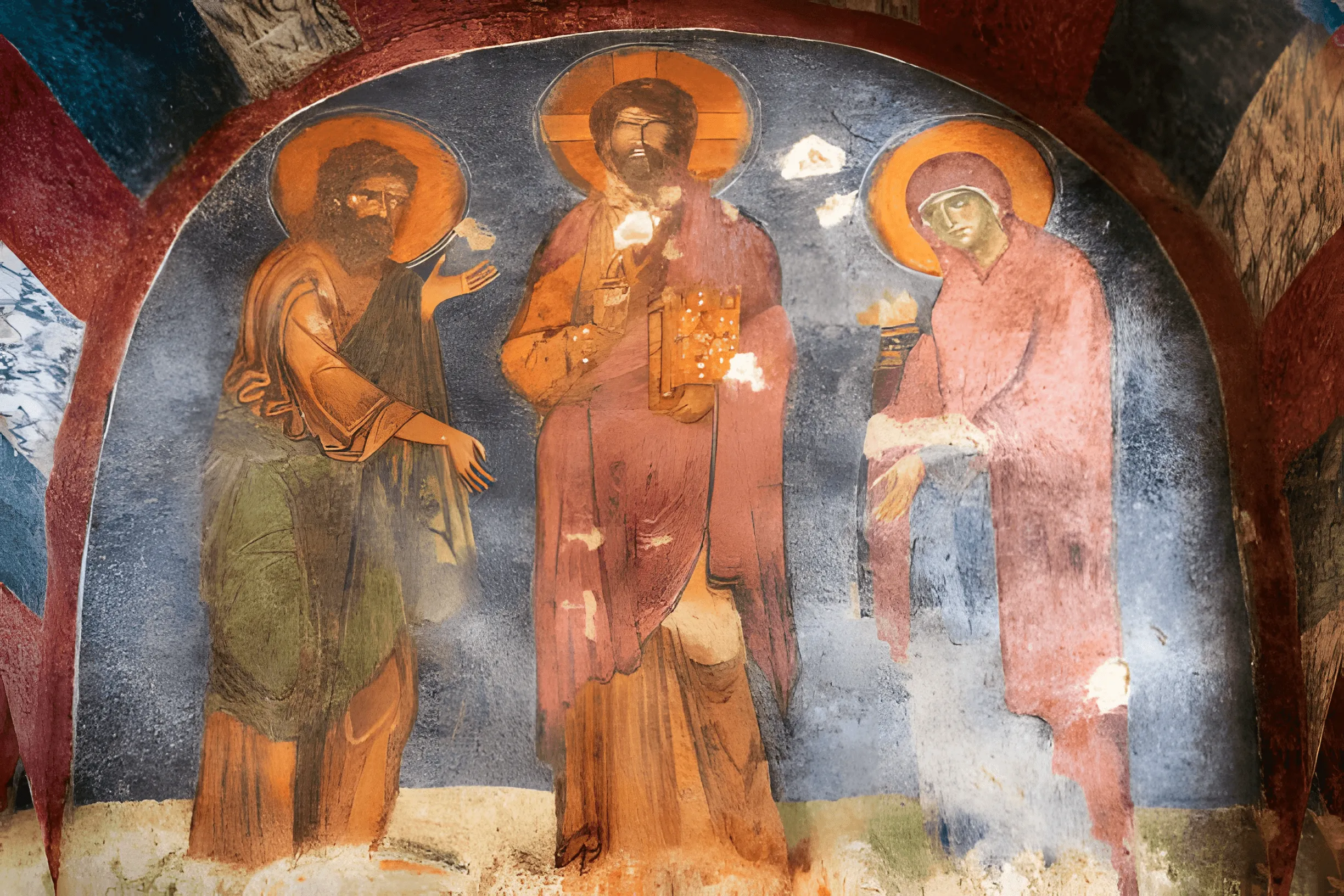
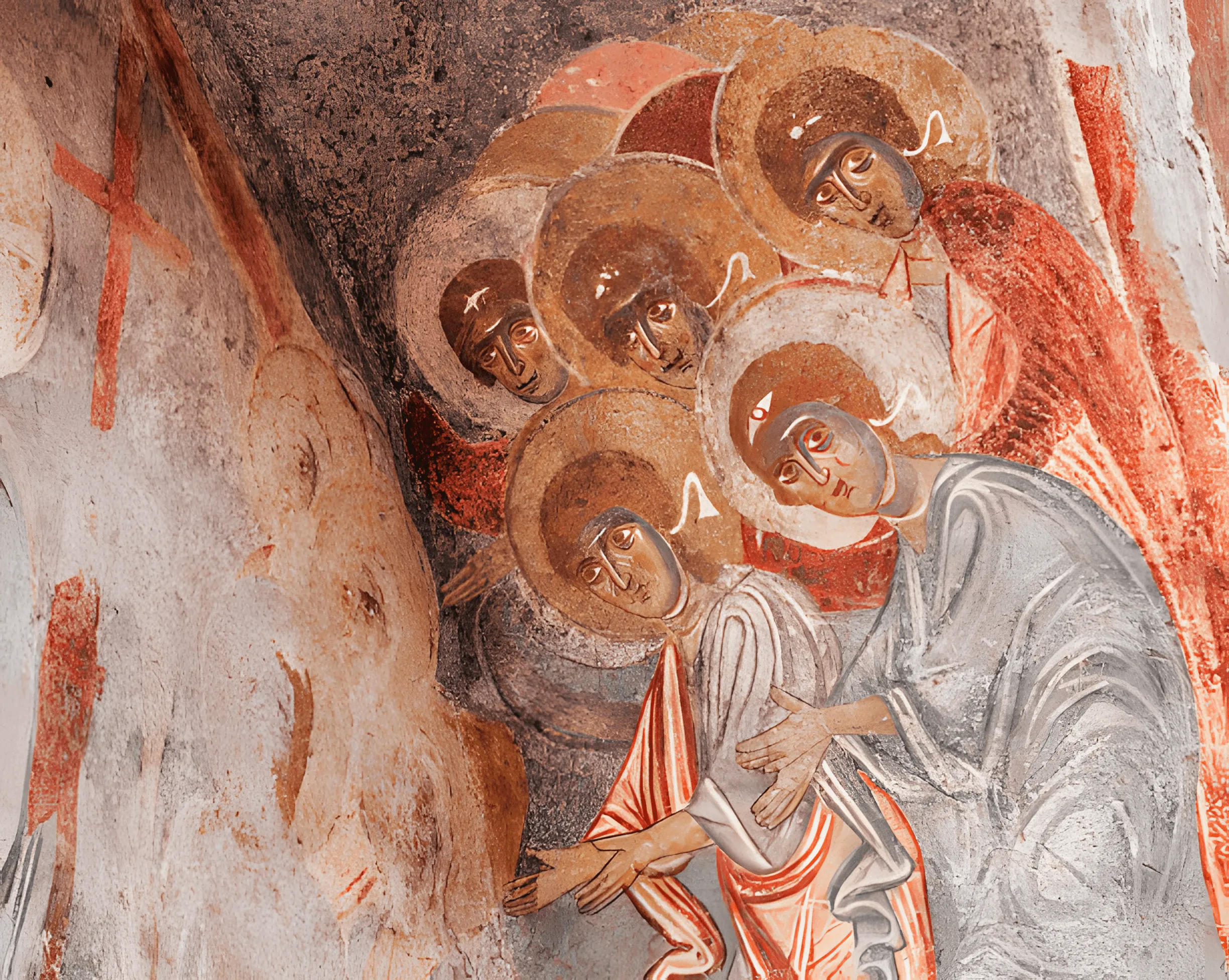
Born in Patara and serving as Bishop of Myra in the 4th century AD, St. Nicholas became renowned for his secret acts of charity — quietly leaving gifts for those in need. After his death he was buried in this very church in Demre, which the Christian world transformed into one of its most important pilgrimage sites. Restored under Byzantine Emperor Constantine IX in 1042, the basilica today dazzles visitors with its wall frescoes, intricate mosaic floors, and the famed sarcophagus, standing as one of the finest examples of Byzantine architecture in Anatolia.
Where is the Church of St. Nicholas?
The Church of St. Nicholas is located right in the **center of the Demre district** (Gökyazı Quarter), to the west of Antalya, just a few minutes away from the ancient city of Myra. Following the coastal road eastward from Kaş, you will reach this spiritual landmark, which occupies a remarkably convenient and central position:
Location and Distances
Distance from Kaş
45 km — A scenic 45-50 minute drive along the D400 coastal road. It pairs perfectly with a visit to Myra on the same day, making it a favourite route for Luna Kaş guests.
Distance from Myra Ancient City
Only 3 km — Just a 5-minute drive. The two sites are almost always visited together as a single cultural route.
Distance from Antalya Center
147 km — One of the principal stops along the coastal highway leading west from Antalya.
Location and Terrain
Situated in the flat town center of Demre. Easily reachable on foot, with a level layout suitable for visitors of all ages.
Route from Luna Kaş to the Church of St. Nicholas
From a Charitable Bishop to a Global Legend: Who Was St. Nicholas?
The man the entire world knows today as Santa Claus was born around 270 AD in the Lycian city of Patara. Having lost his family at a young age and inherited a considerable fortune, Nicholas devoted his wealth to helping the poor. He later settled in Myra (Demre), where he was elected bishop — a role in which his quiet, anonymous generosity toward struggling families became the stuff of legend.
The most famous of these tales tells of a destitute father unable to provide dowries for his three daughters. On three separate nights, Nicholas is said to have secretly dropped bags of gold through the family’s window — one of which, according to legend, landed in a stocking hung by the fire to dry. This is the very origin of the tradition of hanging stockings for Christmas gifts. After his death around 343 AD, Nicholas was buried in the church in Demre, and his fame as a protector of children, sailors, and the needy spread far beyond Anatolia.
In 1087, merchants from the Italian city of Bari removed the saint’s bones from his sarcophagus and carried them to Bari, where a basilica was built in his honour. A few remaining fragments are today preserved at the Antalya Archaeological Museum. Over the centuries, the figure of St. Nicholas merged with various European folk traditions to become the red-cloaked, gift-bearing “Santa Claus” recognised around the world.
Highlights of the Church: Frescoes, Mosaics and the Sacred Tomb
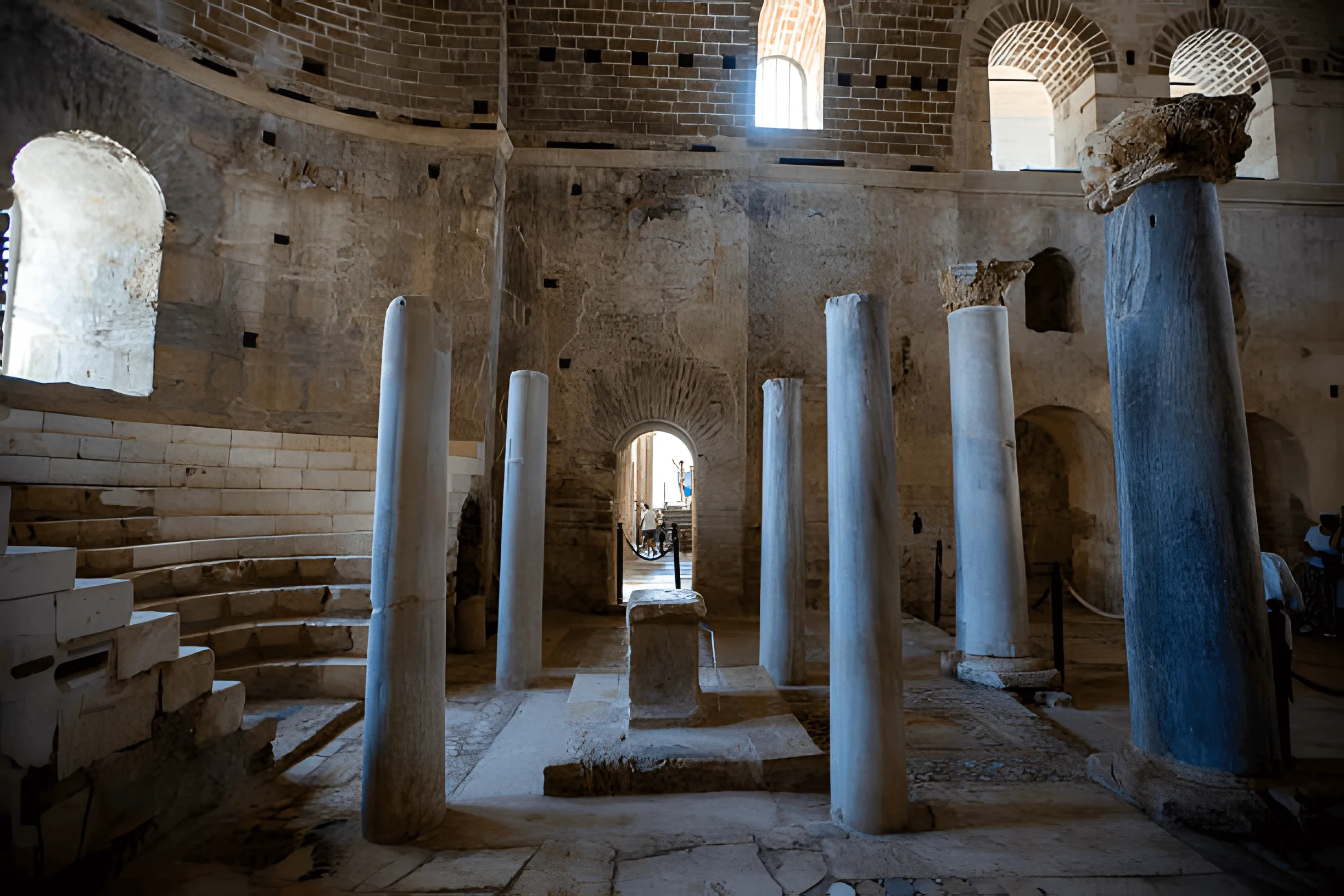
As you step inside this monument-museum, you enter a space where early Christian art has survived for nearly a thousand years. Here are the key details to focus on during your visit:
Must-See Features in the Church
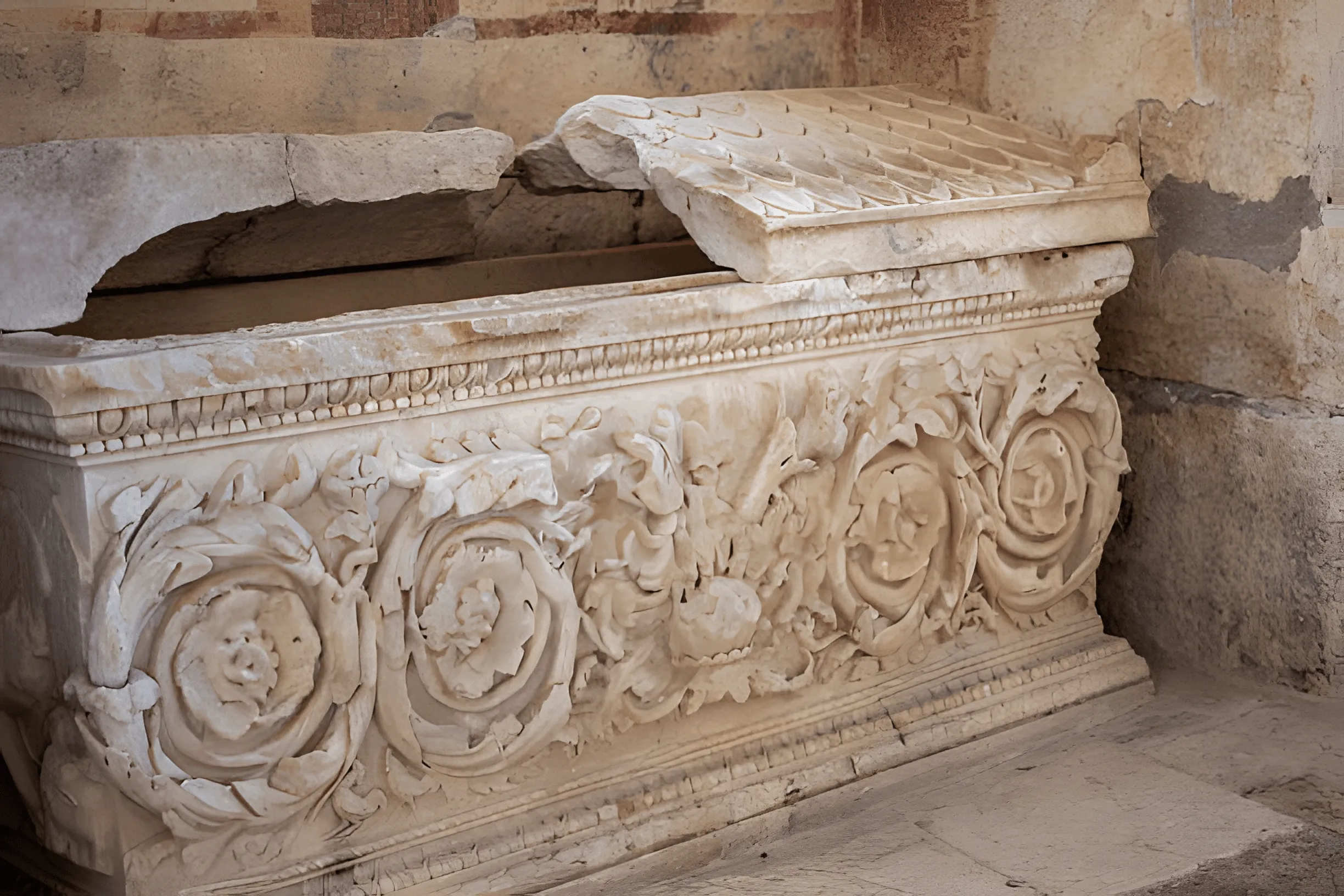
The Sarcophagus of St. Nicholas
The marble sarcophagus believed to have once held the saint's remains, adorned with delicate relief carvings. The spiritual heart of the church and its most visited spot.
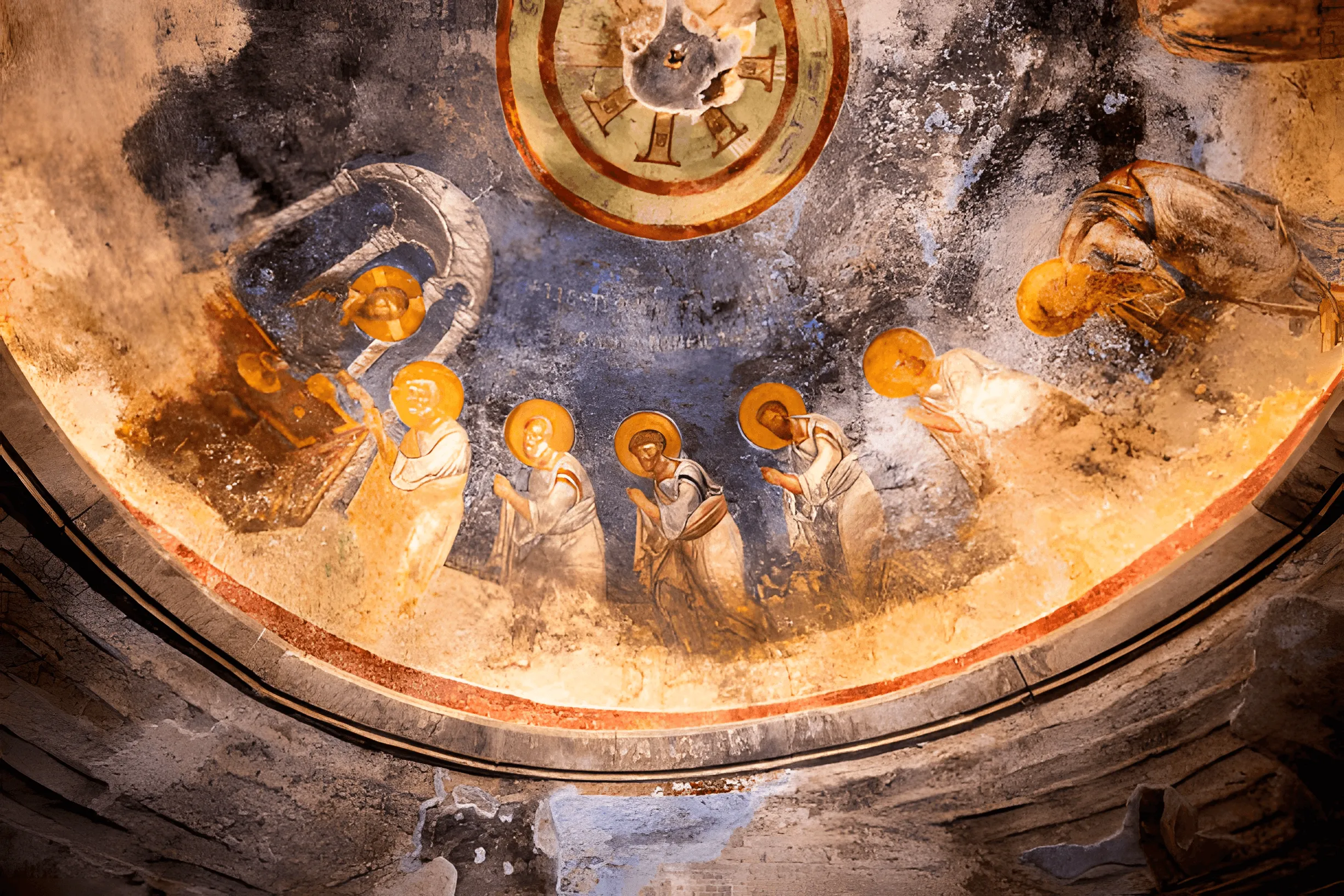
Byzantine Frescoes
Wall paintings dating largely from the 11th-12th centuries, depicting religious scenes and saints. The faded reds and golds offer a moving glimpse into Byzantine devotional art.
Opus Sectile Mosaic Floors
Geometric floor mosaics crafted from coloured marble, among the finest surviving examples of Byzantine flooring technique.
The Synthronon and Apse
The semicircular tiered seating of the clergy behind the altar — a rare and well-preserved architectural feature that brings the church's liturgical life vividly to mind.
How to Get to the Church of St. Nicholas?
Reaching the church is wonderfully straightforward, especially if you are setting off from Luna Hotel Kaş. Here are your options:
1. By Private Vehicle or Rental Car
From Luna Kaş: After leaving our hotel, follow the D400 highway eastward toward Demre/Finike. This scenic 45-minute drive, accompanied by sweeping Mediterranean views, brings you directly into the Demre town center. The church is signposted and sits in the heart of town, just a few minutes from Myra. If you do not have a car, the Luna Kaş front desk would be delighted to arrange a reliable car rental or private transfer for you.
2. By Public Transportation (Bus / Minibus)
You can take the inter-district buses running between Kaş-Antalya or Kaş-Finike, which depart from Kaş Bus Terminal roughly every half hour, and get off at Demre Bus Terminal. The church is within easy walking distance of the town center, or a short taxi ride away.
3. Discovery via Daily Tours
The popular “Demre – Myra – Kekova” daily tours organised by Kaş-based agencies almost always include a visit to the Church of St. Nicholas. These tours typically begin in the morning with Myra and the church, followed by a boat trip over the sunken city of Kekova departing from Üçağız. For detailed information and trusted operator recommendations, feel free to consult our Luna Kaş reception team.
Admission and Müzekart
The church operates as a monument-museum under the Ministry of Culture and Tourism, and the Müzekart (Museum Pass Turkey) is valid for entry. If you do not have a Müzekart, a single-entry ticket can be purchased at the counter. Please bring your ID or card with you, and confirm the current admission fee with the Luna Kaş team before heading out.
Audio Guide and Guiding
Audio guide systems are available on site, or you may explore the church's history alongside a licensed tour guide for a deeper understanding of its frescoes and legends.
Protective Canopy
Much of the church is sheltered beneath a modern protective roof structure, allowing comfortable visits even on rainy or intensely sunny days.
St. Nicholas Church Visit Checklist
Tips for Your Visit
A respectful and comfortable guide to a sacred site
Modest, Comfortable Clothing
Camera Without Flash
Time for Reflection
Combine with Myra
The Church of St. Nicholas is open 7 days a week, with summer hours (April-October) of 08:30-19:00 and winter hours (November-March) of 08:30-17:30. It may close until midday on the first day of major religious holidays. You can confirm current hours with the Luna Kaş team before setting out.
A Visit Steeped in History: What to Expect
The church is compact, so you can explore it thoroughly in around 45 minutes to an hour:
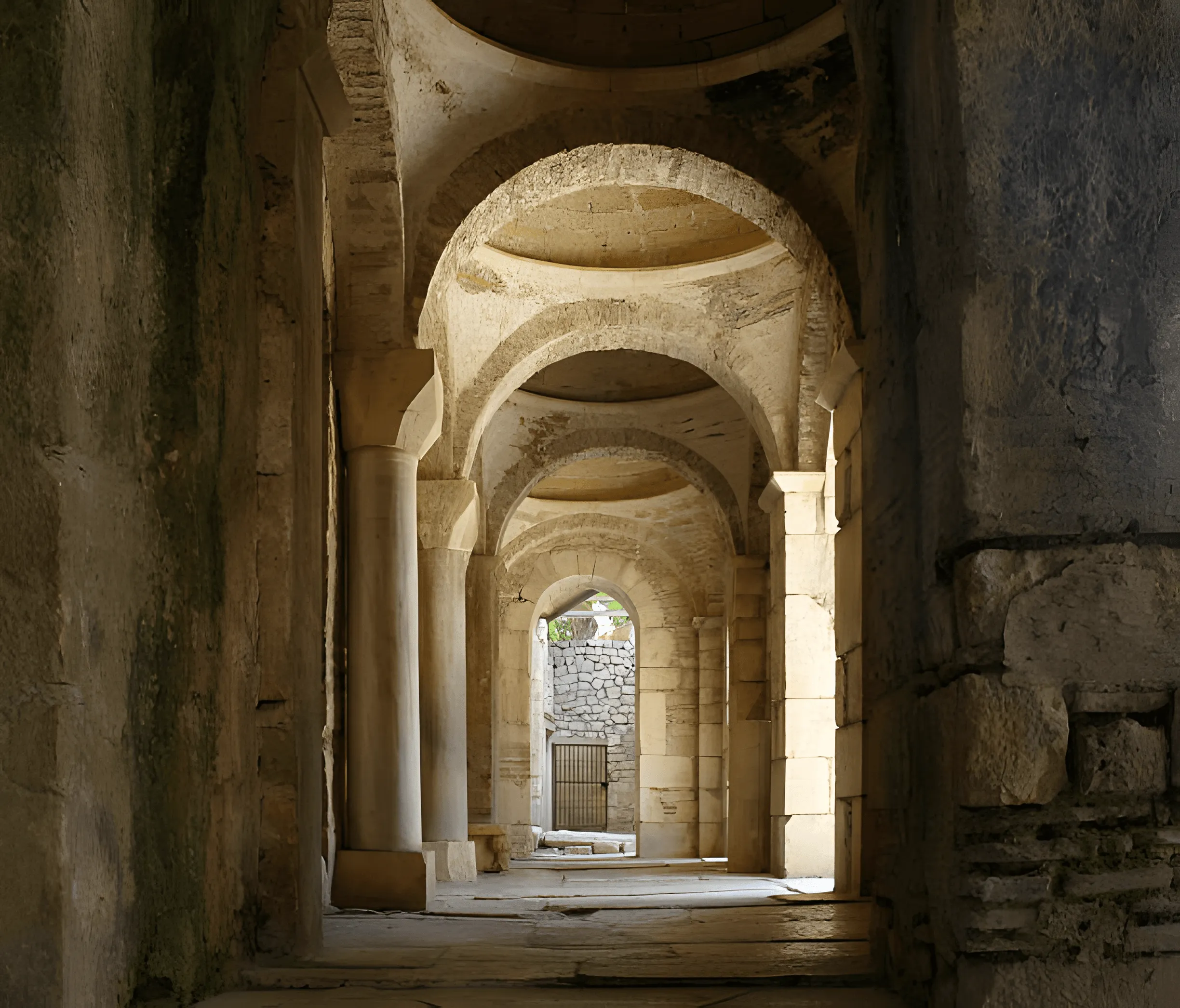
0 – 15 Minutes: Entrance and the Narthex
Pass through the entrance hall (narthex) and let your eyes adjust to the soft light. Take in the scale of the basilica and the first fragments of fresco emerging from the ancient walls.
15 – 35 Minutes: The Nave, Frescoes and Mosaics
Move into the main nave. Study the Byzantine wall paintings and the geometric opus sectile floors beneath your feet. Notice how the colours, though faded, still hint at the church’s former splendour.
35 – 60 Minutes: The Sarcophagus and the Apse
Make your way to the famous sarcophagus and the synthronon behind the altar. This is the spiritual climax of the visit — the spot where the legend of Santa Claus reaches back across nearly seventeen centuries.
Gallery
Echoes from the Church of St. Nicholas
Moments from the basilica where charity became legend — frescoes, mosaics, and the sacred tomb of Demre.
The Best Time to Visit
Demre enjoys a typical Mediterranean microclimate, and the indoor, sheltered nature of the church means it can be visited comfortably year-round. Still, the season shapes the experience:
Spring (April – May)
The ideal time. Mild temperatures of 22-26°C and the scent of citrus blossom make the combined Myra and church route especially pleasant.
Summer (June – August)
Demre gets hot (35°C and above), but the church's protective canopy offers shade. Choose early morning or late afternoon to avoid the midday heat.
Autumn (September – October)
Warm, gentle weather and thinner crowds make this a wonderful season for a relaxed cultural visit.
December (Around the 6th)
The most atmospheric time of all. Each year around 6 December — the anniversary of the saint's death — commemorative services draw clergy and Orthodox pilgrims from around the world.
Frequently Asked Questions
Is the Müzekart valid at the Church of St. Nicholas, and how much is admission?
Yes, the church operates as a monument-museum under the Ministry of Culture and Tourism, and the Müzekart is valid for entry. If you do not hold a card, single-entry tickets can be purchased at the counter. As admission fees are updated periodically, we recommend confirming the current price with the Luna Kaş reception before your visit.
Are the bones of St. Nicholas still in the church?
No. In 1087, merchants from Bari removed most of the saint’s remains and carried them to Italy, where they were placed in a basilica built in his honour. A few remaining fragments are today preserved at the Antalya Archaeological Museum. The marble sarcophagus, however, remains in the church and is its most visited feature.
How long does a visit take, and can it be combined with Myra?
A visit to the church takes about 45 minutes to an hour. Since Myra Ancient City is only 3 km away, the two are almost always combined into a single half-day cultural route — ideally with the Lycian Civilizations Museum at Andriake as well.
Is the church suitable for children and elderly visitors?
Yes. The church sits on flat ground in the Demre town center and requires no steep climbs. The flooring is historic and slightly uneven in places, so comfortable shoes are recommended, but overall it is highly accessible.
Other Attractions to Visit Around Demre
Having come all the way from Luna Kaş to Demre, it would be a shame to limit your day to the church alone. Other historical and natural treasures you can fit into the same day:
Exploration Points in and Around Demre
Myra Ancient City
Just 3 km away, with its grand Roman theater and the spectacular Lycian rock-cut tombs carved into the cliffs. The natural companion to your church visit.
Andriake Ancient Port & Museum of Lycian Civilizations
The ancient harbour of Myra, now transformed into a superb museum displaying the prominent artifacts of the Lycian league.
Kekova and Kaleköy (Simena)
Witness the sunken city by boat from the Üçağız harbour, and enjoy handmade goat's milk ice cream in enchanting Kaleköy, reachable only by sea.
Çayağzı Beach
If you wish to cool off in the Mediterranean after your cultural tour, the wide, fine-sanded Demre coast is waiting just minutes away.
After a Day of Discovery: The Comfort of Luna Kaş
Return from the Footsteps of a Legend to a Mediterranean Embrace
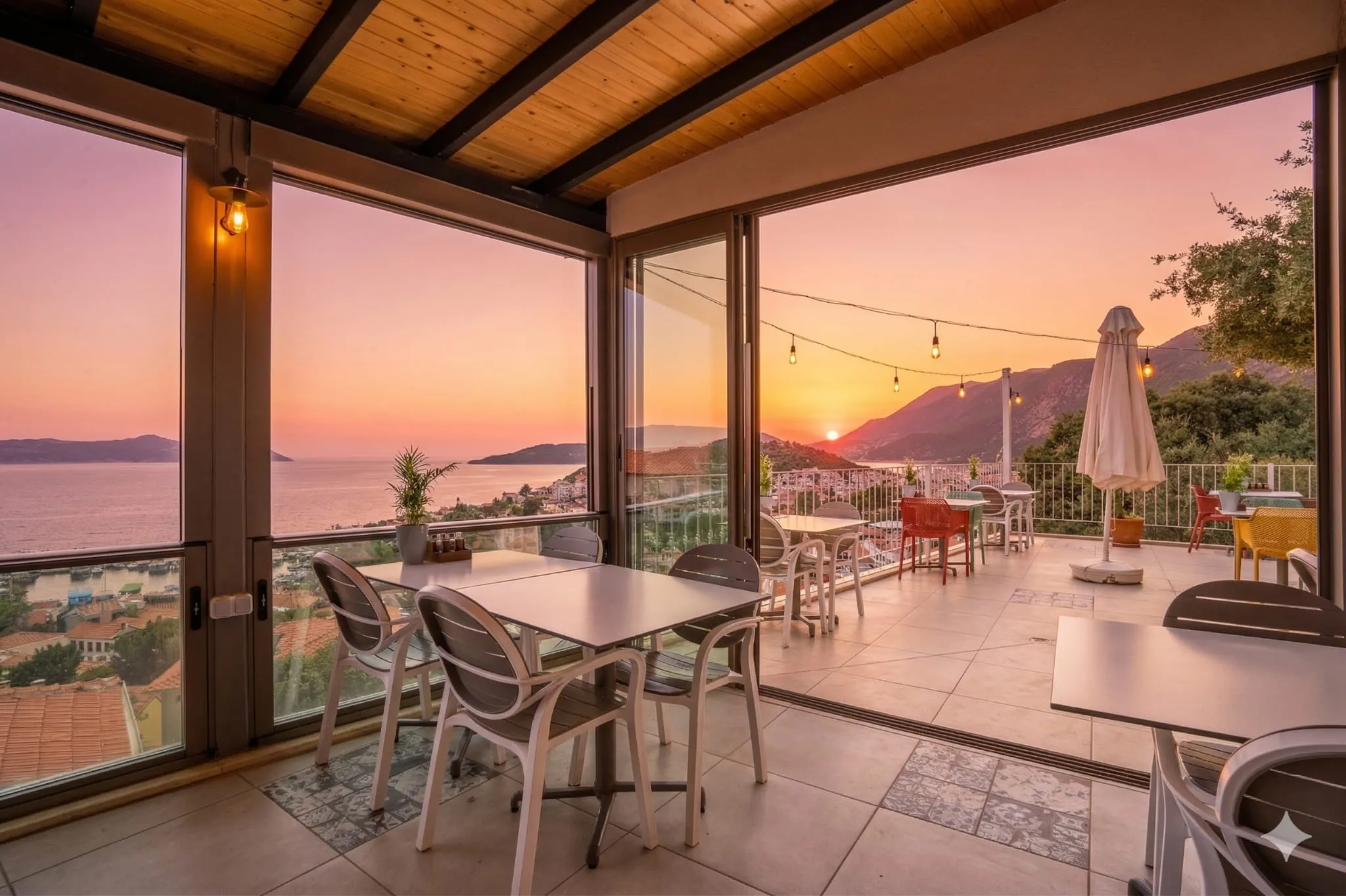
Standing before the tomb of the real Santa Claus and tracing the faded frescoes of a thousand-year-old basilica are experiences that stay with you long after the day is done. Upon returning from the Demre route, sipping a cold drink on the panoramic sea-view terrace of Luna Kaş — or unwinding in the cool waters of our pool — is the perfect close to a day steeped in history and meaning. As the Luna Hotel Kaş team, we are right here to ensure every moment of your journey is absolutely flawless.
WHERE THE STORY OF SANTA CLAUS BEGINS, AND LUNA KAŞ AWAITS
Discover the sacred basilica of St. Nicholas in Demre, then return to the peaceful world of Luna Kaş by evening.
History, faith, and the love of the Mediterranean all in one.