>Demre Myra Ancient City: Lycia’s Time-Defying Masterpiece
Historical & Cultural Sites

>Demre Myra Ancient City: Lycia’s Time-Defying Masterpiece

5 min read 8 June 2026 45 km to hotel
Tlos Ancient City: Lycia's Best-Preserved… The Church of St. Nicholas…
Difficulty Easy
Season All Year
Distance 45 km to hotel
Best Time 08:00 - 17:00

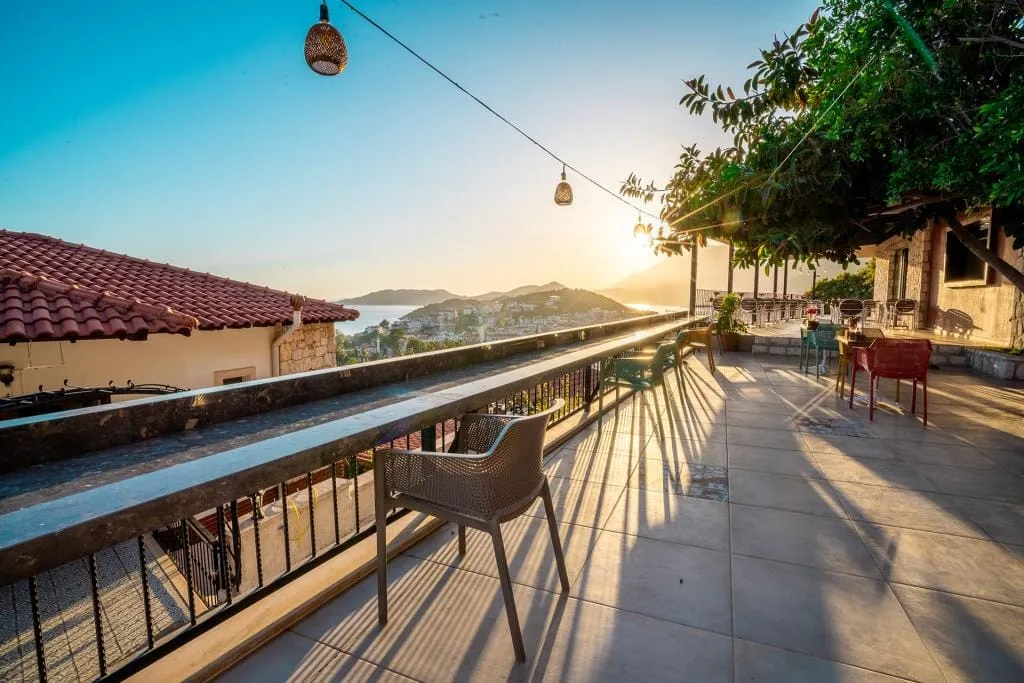
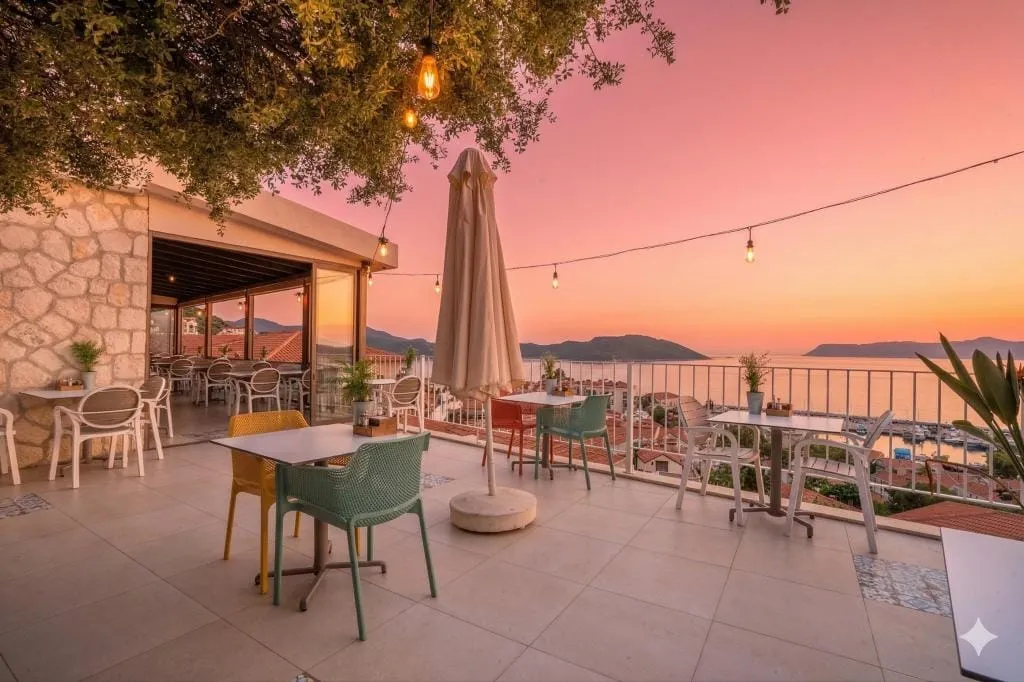
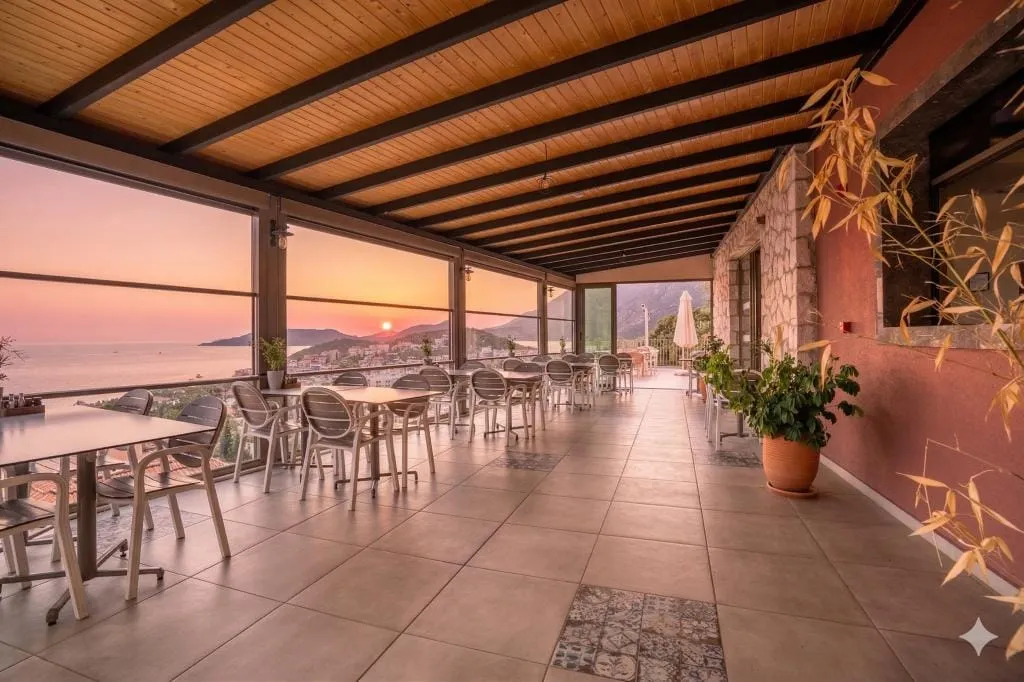
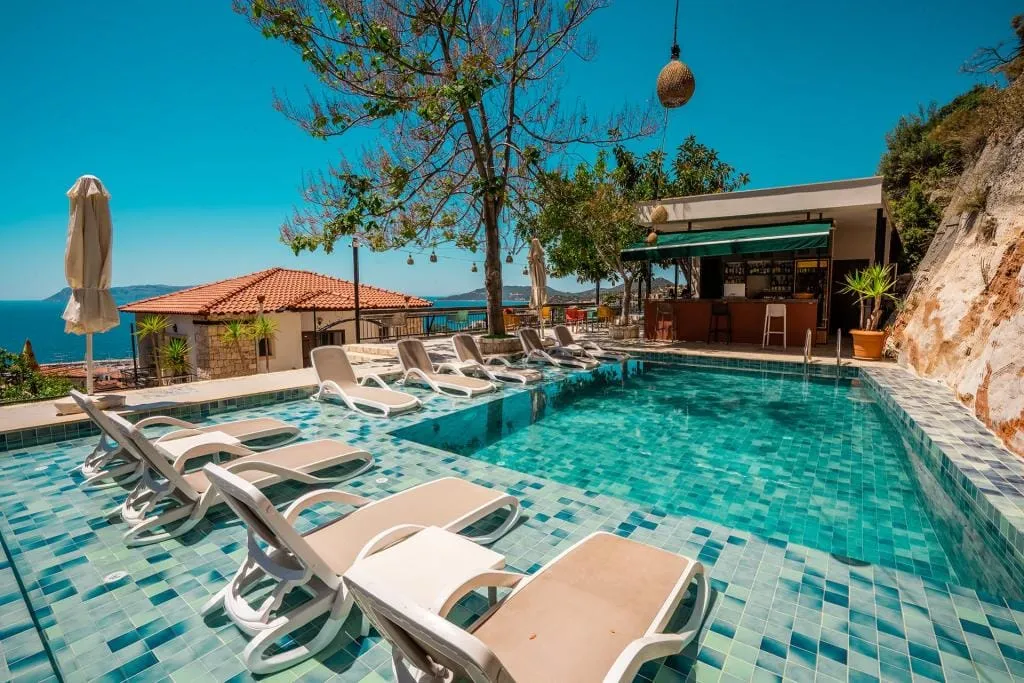
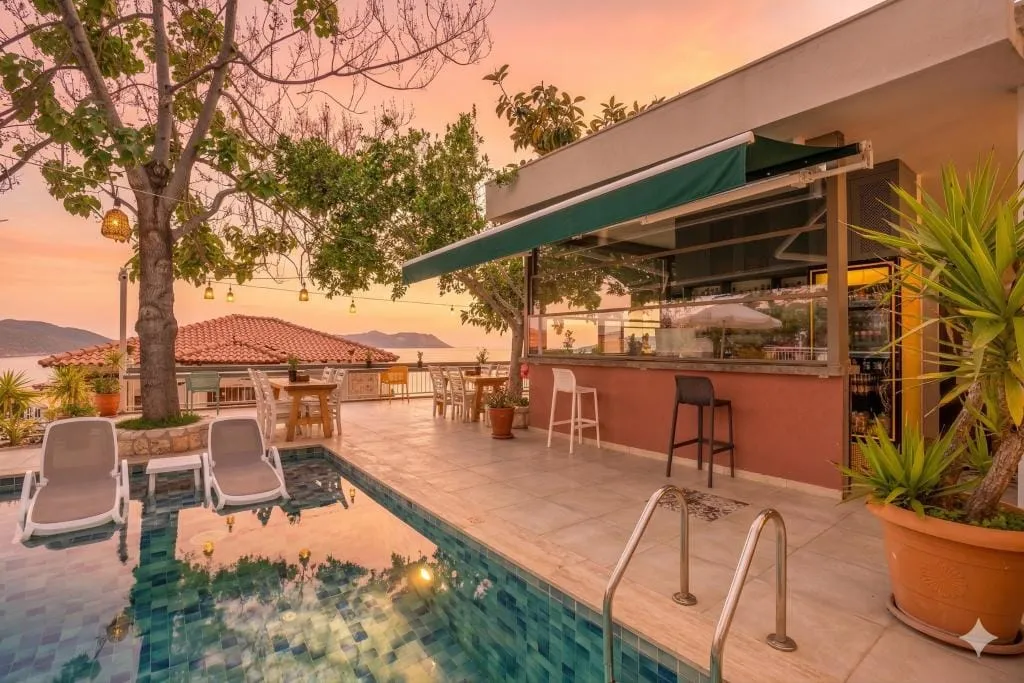
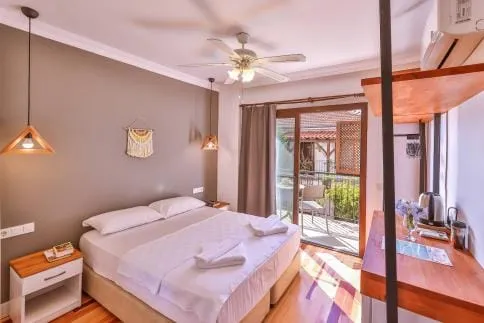
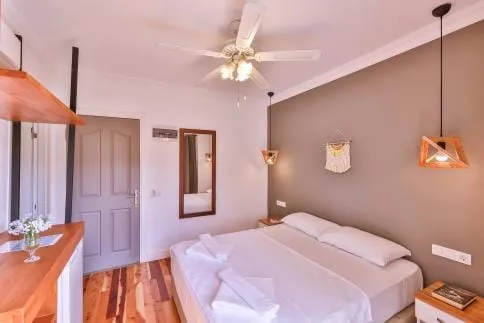
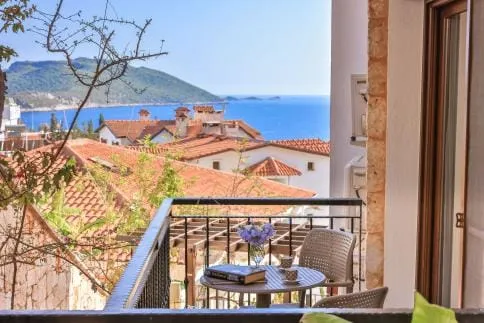
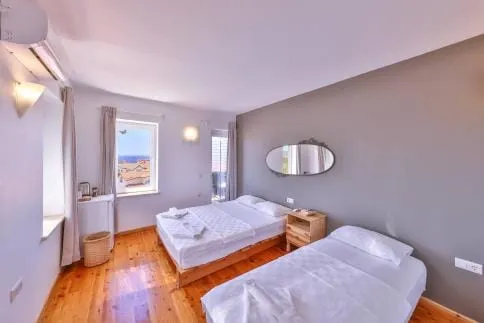
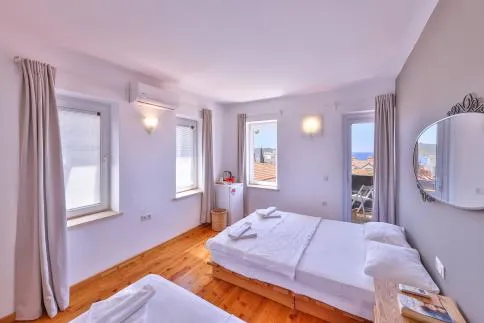
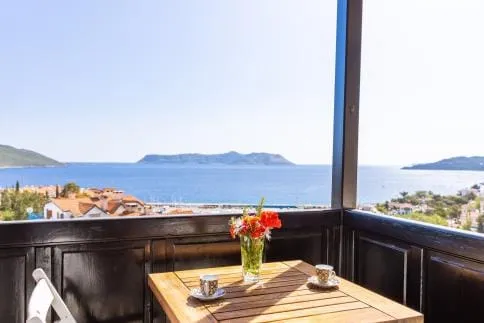
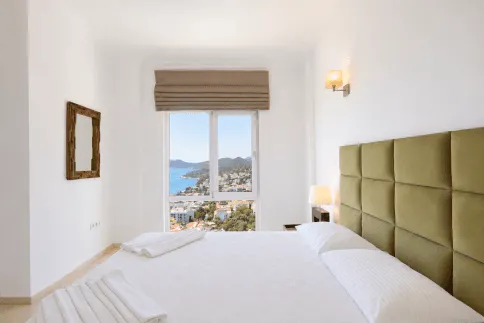
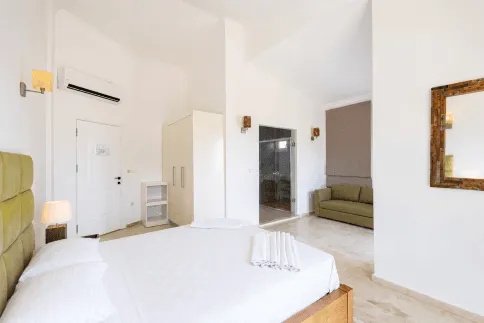
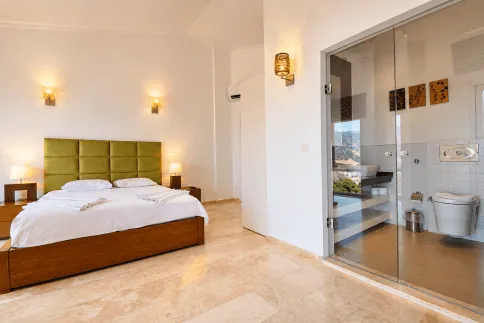
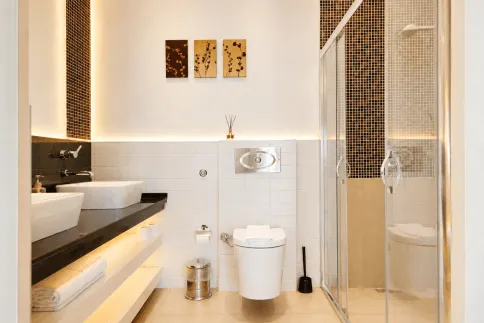
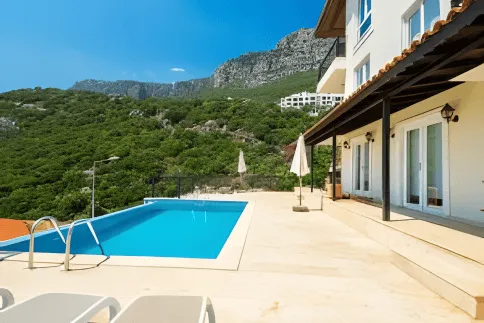
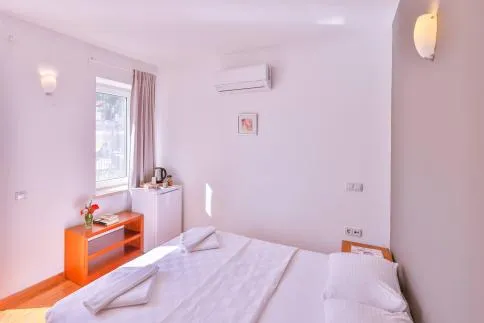
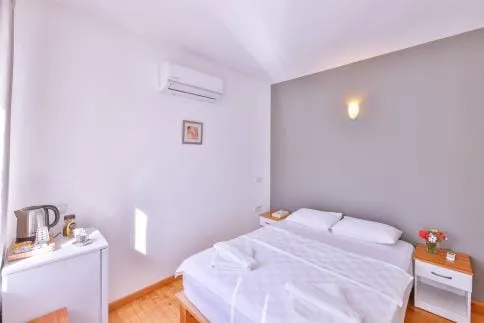
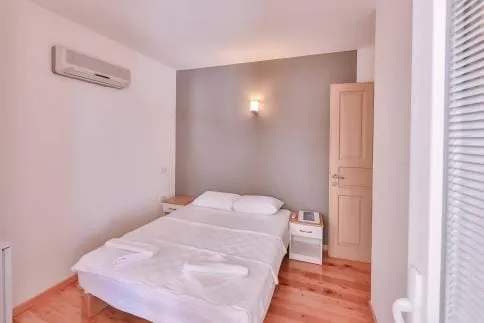
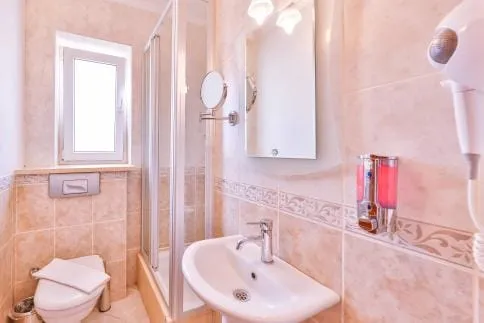
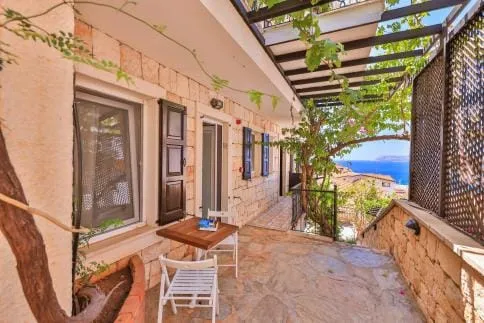
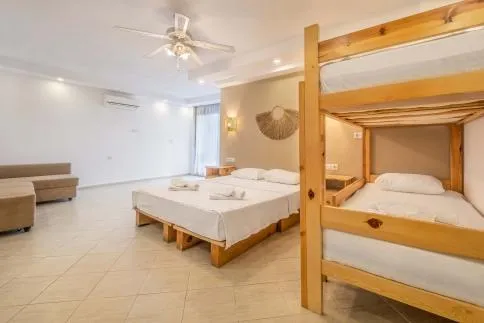
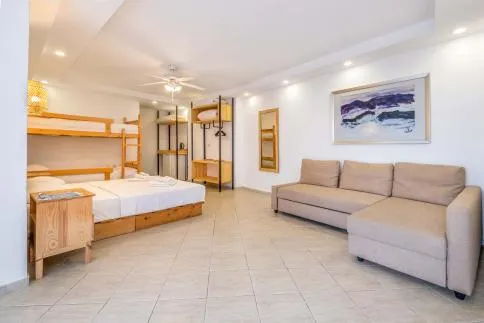
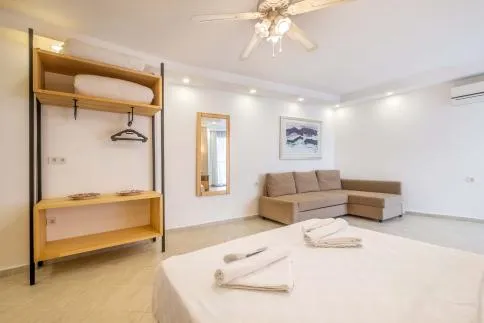
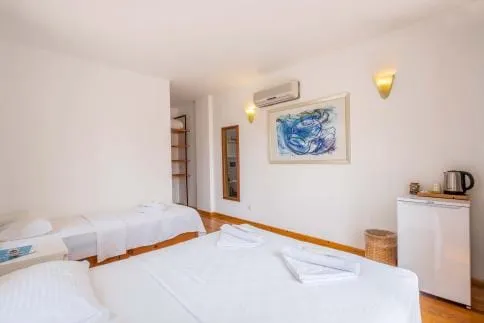
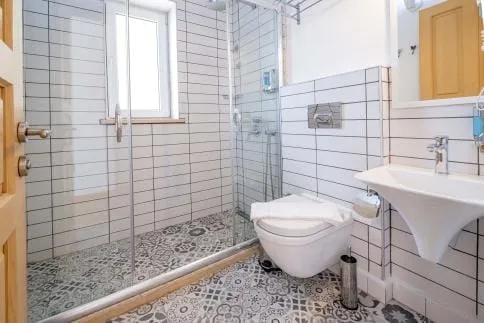
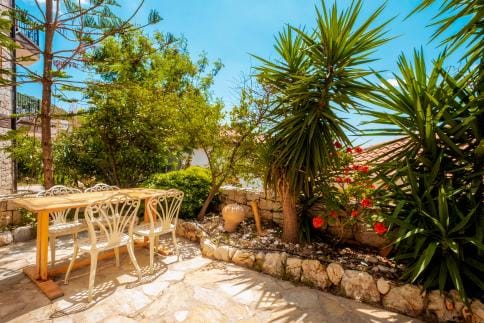
As one of the six major metropolises of the Lycian League, Myra Ancient City is not merely a settlement of stacked stones, but a breathtaking visual feast where cliffs are intricately carved like lace. Hidden for centuries beneath the alluvial soil brought by the Demre rivers, this magnificent city welcomes its visitors today with a massive Roman theater and striking Lycian rock-cut tombs carved into steep precipices. Starting your day in the serene and modern atmosphere of Luna Kaş, then journeying through the winding Mediterranean coastal roads toward the thousands-of-years-old mystery of Demre Myra Ancient City, adds an unforgettable cultural layer to your vacation.

Where is Demre Myra Ancient City?

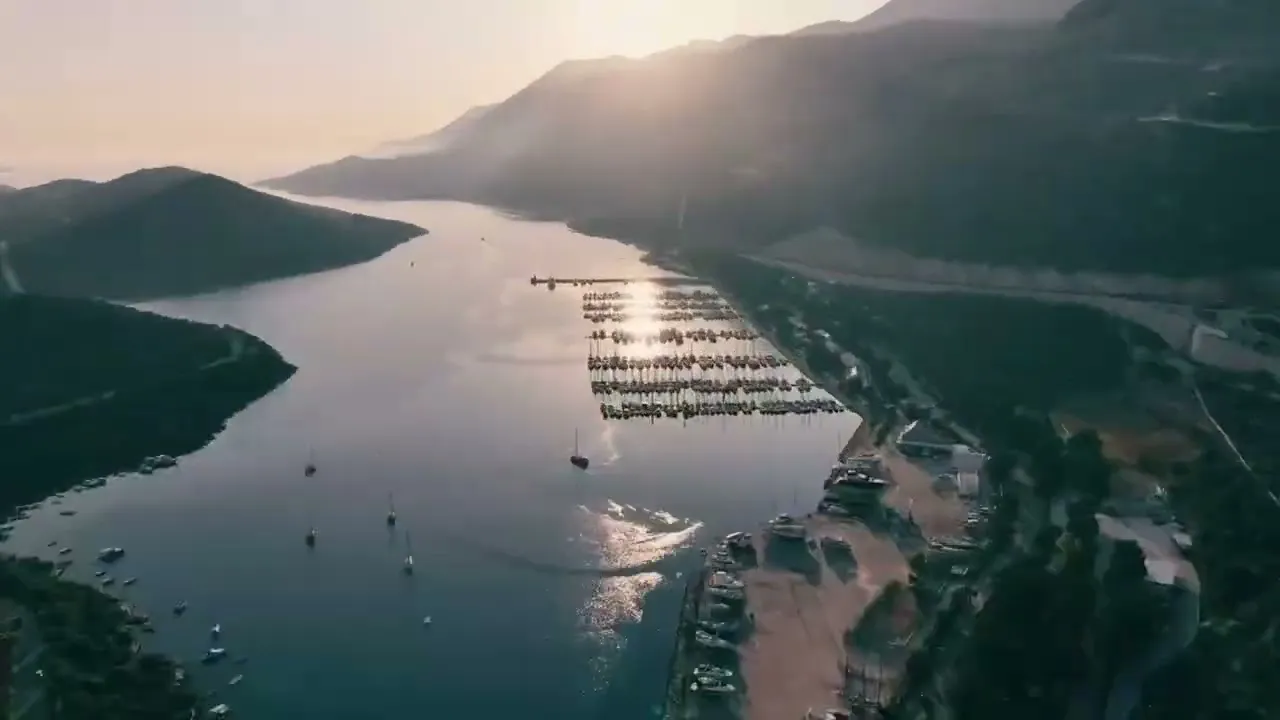
Myra Ancient City is located in and around the **district center of Demre (formerly known as Kale)**, situated to the west of Antalya. Following the coastal strip stretching eastward from Kaş, you will reach this historical oasis, which occupies a highly advantageous geographical position:

Myra's Location and Distances

Distance from Kaş

45 km — An easy and scenic 45-50 minute drive along the D400 coastal road. It is the most popular day-trip route for Luna Kaş guests.

Distance from Antalya Center

140 km — One of the key stops along the coastal highway leading west from Antalya center.

Distance from Fethiye

145 km — A cultural landmark reached after passing Kaş for guests traveling from the Fethiye direction.

Elevation and Terrain

Situated on a plain close to sea level, nestled against mountain slopes. The walk is flatter and less demanding compared to the steep climbs of Tlos.

Routes from Luna Kaş to Myra Ancient City

The Glorious History of Lycia: How Myra Became the Capital

Mentioned in written sources since the 5th century BC, Myra was one of the six major cities holding three voting rights in the Lycian League. The city also served as the capital of the province during the Roman period, owing its commercial dominance to its nearby port, Andriake. Having grown wealthy through maritime trade, the city evolved into an intellectual and religious hub of its era.

Serving as the city’s bishop in the 4th century AD, Saint Nicholas (Santa Claus) transformed Myra into a sacred pilgrimage site for the entire Christian world. However, earthquakes starting from the 7th century AD, Arab raids, and the alluvial deposits brought by the Myros River (Demre Stream) gradually buried the city. Thanks to this natural preservation, Myra has managed to survive as one of the best-preserved ancient cities to this day.

Main Structures of Myra: Where Stone Turns into Art

The moment you step into the boundaries of Demre Myra Ancient City, you are greeted by two monumental structural complexes. Here are the key details you must focus on during your visit:
Must-See Structures in Myra

The Grand Roman Theater

A massive theater with a capacity of approximately 11,000, rebuilt after a devastating earthquake in the 2nd century AD. The reliefs, theatrical masks, and mythological figures on the stage building represent the zenith of Roman-era craftsmanship.

Rock-Cut Tombs (Acropolis Necropolis)

House-type Lycian tombs built on top of one another on the steep cliff directly behind the theater. Resembling a multi-story apartment block from afar, these structures were carved into the rocks based on the belief that the dead should be closer to heaven.

Reliefs and Masks

Giant stone masks displayed around the theater area, symbolizing the tragedies and comedies of the era. They offer unique angles for photography enthusiasts.

Andriake Port and Granarium

Myra's gateway to the sea. The ancient port ruins and the massive granary, which today serves as the Museum of Lycian Civilizations, are located 5 km from the city center.

How to Get to Myra Ancient City?

The answer to how to get to Myra Ancient City, which is one of the most frequently searched questions by travelers, is actually quite simple depending on your starting point. Especially if you are starting your route from Luna Hotel Kaş, you have highly enjoyable alternatives ahead:

1. By Private Vehicle or Rental Car

From Luna Kaş: After leaving our hotel, follow the D400 Antalya highway towards the east (Demre/Finike direction). Traveling in the opposite direction of Kaputaş Beach and Kalkan, this scenic drive accompanied by breathtaking Mediterranean views takes about 45 minutes. Once you enter the Demre district center, you can easily reach the ancient city by following the brown “Myra” signs. If you do not have a car, the Luna Kaş front desk will be delighted to organize reliable car rental or private transfer arrangements for you.

2. By Public Transportation (Bus / Minibus)

You can take the inter-district buses operating between Kaş-Antalya or Kaş-Finike, which depart from Kaş Bus Terminal every half hour, and get off at Demre Bus Terminal. From Demre center, you can catch regular local minibuses (dolmuş) heading to the ancient city or cover the roughly 2 km distance with a short taxi ride.

3. Discovery via Daily Tours

You can join the popular “Demre – Myra – Kekova” daily tours organized by Kaş-based agencies. These tours typically kick off in the morning with visits to Myra Ancient City and the Saint Nicholas Church, followed by a sunken city Kekova boat tour departing from Üçağız. For detailed information and top tour operator recommendations, feel free to consult our Luna Kaş reception team.

Admission and Müzekart

The Müzekart (Museum Pass Turkey) is fully valid for entry. If you do not have a Müzekart, you can purchase a single-entry ticket at the counter. Do not forget to bring your ID or card with you.

Parking Availability

A wide and organized parking area is available at the entrance of the ancient city. Finding a spot is quite easy even during peak season days.

Professional Guiding

You can use the digital audio guide systems available with barcodes at the entrance, or listen deeply to the mythological stories of the city accompanied by a licensed tour guide.

Myra Ancient City Visit Checklist

Tips for Your Myra Trip

A comfortable exploration guide under the Lycian sun

Comfortable Walking Shoes

Hat and Mineral-Based Sunscreen

Camera / Smartphone Charge

Sufficient Water

Myra Ancient City is open to visitors from 08:00 to 20:00 during the summer season and from 08:00 to 17:00 during the winter season. You can confirm the current hours with the Luna Kaş team before heading out.

Hourly Planning: A 2-Hour Tour of Myra

Since Myra Ancient City is not spread over a massive territory, you can thoroughly explore its key locations within approximately 1.5 to 2 hours:

0 – 20 Minutes: Welcome and the Masks Area
Walk along the path that greets you after passing the ticket control. Examine the colossal stone masks displayed in the square in front of the theater. Take your first photos with these iconic symbols of Lycian theatrical culture.

20 – 60 Minutes: The Roman Theater and Acoustic Exploration
Step inside the theater. Walk through the vaulted passages of the stage building to climb up the stairs. When you reach the highest rows, you will witness the acoustic success of the city; test how a whisper spoken at the very bottom reaches all the way to the top.

60 – 90 Minutes: The Ocean Necropolis (Rock-Cut Tombs)
Behold the rock tombs towering directly to the upper left of the theater. Examine the Lycian inscriptions and reliefs on the house-type tombs from safe viewing spots where you can closely admire the fine stone craftsmanship.

Weather Conditions and the Best Time to Visit

Demre possesses a typical Mediterranean microclimate. For this reason, considering weather conditions while planning your travel dates will enhance the quality of your trip:

Spring (April – May)

The ultimate period to visit Myra. The air temperature is around 22-26°C, nature is lush, and the sweet scent of citrus blossoms from surrounding orchards blankets the entire plain.

Summer (June – August)

Demre gets quite hot during the summer months (35°C and above). If you decide to visit in summer, we highly recommend choosing the 08:30 morning or 17:30 late afternoon sessions to escape the midday heat.

Autumn (September – October)

A wonderful period when the sea water temperature is at its finest, yet the summer heat has mellowed. It is ideal for cooling off at Demre beaches after your Myra exploration.

Winter (November – March)

Highly suitable for travelers looking for a serene cultural tour away from the crowds. Except for rainy days, the Mediterranean winter is mild, allowing you to explore comfortably.

Frequently Asked Questions

How much is the admission fee for Myra Ancient City, and is the Müzekart valid?

The Müzekart is completely valid at Myra Ancient City, which operates under the Ministry of Culture and Tourism. You can enter the city with various Müzekart types that offer free entry twice a year or unlimited access. If you do not hold a card, single-entry tickets can also be obtained from the toll booth.

How long does a visit to Myra take?

An average visit lasts between 1 and 1.5 hours. If you include the Andriake Port and the nearby Saint Nicholas Church into your plan, you should allocate 3-4 hours for a complete Demre cultural tour.

What to eat near Myra Ancient City?

The Demre district center is famous for its citrus fruits and greenhouse farming. Right outside the ancient city exit, there are small local kiosks where you can drink freshly squeezed orange and pomegranate juice. For lunch, you can opt for traditional soup restaurants and local diners serving Mediterranean home-cooked meals in Demre center.

Is the trail suitable for children and the elderly?

Yes, Myra is built on flat terrain. It does not require steep mountain climbs like Tlos or Xanthos. Unless one climbs the theater steps, the main paths are highly accessible for guests with mobility difficulties and strollers.

Other Attractions to Visit Around Myra

Having set off from Luna Kaş and come all the way to Demre, it would be a pity to limit your trip to Myra alone. Other historical and natural beauties you can fit into the very same day:

Exploration Points in and Around Demre

Saint Nicholas Memorial Museum (Santa Claus Church)

Located just 2 km from the Myra ancient city. This historical church, where Saint Nicholas—known as Santa Claus—served as bishop and was buried, is mesmerising with its wall frescoes.

Andriake Ancient Port & Museum of Lycian Civilizations

Andriake, the harbor quarter of Myra, has been transformed into a museum following a tremendous restoration. Here you can see all the prominent artifacts belonging to the Lycian league.

Kekova and Kaleköy (Simena)

You can witness the sunken city via boats departing from the Üçağız harbor of Demre, and enjoy handmade goat's milk ice cream in the enchanting Kaleköy, which can only be reached by sea.

Çayağzı Beach and Sülükümlü Beach

If you wish to dive into the cool waters of the Mediterranean after your history tour, the Demre coast awaits you with its wide and fine-sanded beaches.

THE JOURNEY TO THE HEART OF LYCIA BEGINS AT LUNA KAŞ

Discover the mesmerizing stonemasonry of Myra, and return to the peaceful world of Luna Kaş by evening.
Culture, comfort, and the love of the Mediterranean all in one.

Share this guide